




Uncategorized
Deciding on the right therapeutic support for your child can feel like a major challenge. When exploring options for developmental disorders like the autism spectrum, you will likely encounter two common approaches: ABA therapy vs occupational therapy. Both are designed to help your child thrive, but they have different goals and methods. This guide will explore the unique aspects of each therapy, from their core principles to their techniques, helping you understand which path might be the best fit for your family.
Overview of ABA vs Occupational Therapy in the United States
In the United States, ABA therapy vs occupational therapy are specialized interventions within the medical field. They are designed to help individuals with developmental, emotional, and cognitive challenges maximize their abilities and improve their daily functioning. Both therapies play a crucial role in supporting those on the autism spectrum.
Behavior analysts and occupational therapists are trained professionals who create individualized treatment plans. While ABA therapists focus specifically on behavior modification, an occupational therapist works to improve a person’s ability to engage in the “occupations” of daily life, from self-care to play. The following sections will provide more detail on each approach.
Understanding Applied Behavior Analysis (ABA) Principles
Applied Behavior Analysis (ABA) is a therapy based on the science of learning and behavior. The core principle is that all behavior is learned and can be influenced by what happens before (antecedent) and after (consequence) it occurs. This form of behavior analysis therapy aims to increase helpful behaviors and decrease those that are harmful or affect learning.
How does it work in practice? ABA therapists use techniques like positive reinforcement to encourage desired actions. For example, a child might receive praise or a small reward for successfully communicating a need. The goal is to teach socially important skills, from communication and academics to daily living tasks, in a structured way. This approach helps with skill learning by breaking down complex tasks into smaller, manageable steps.
Through this systematic process, behavior modification is achieved. ABA therapists work to understand the function behind a specific behavior to develop an effective intervention. This focus on why a behavior occurs is key to creating lasting, positive change for the individual.
Defining Occupational Therapy and Its Role
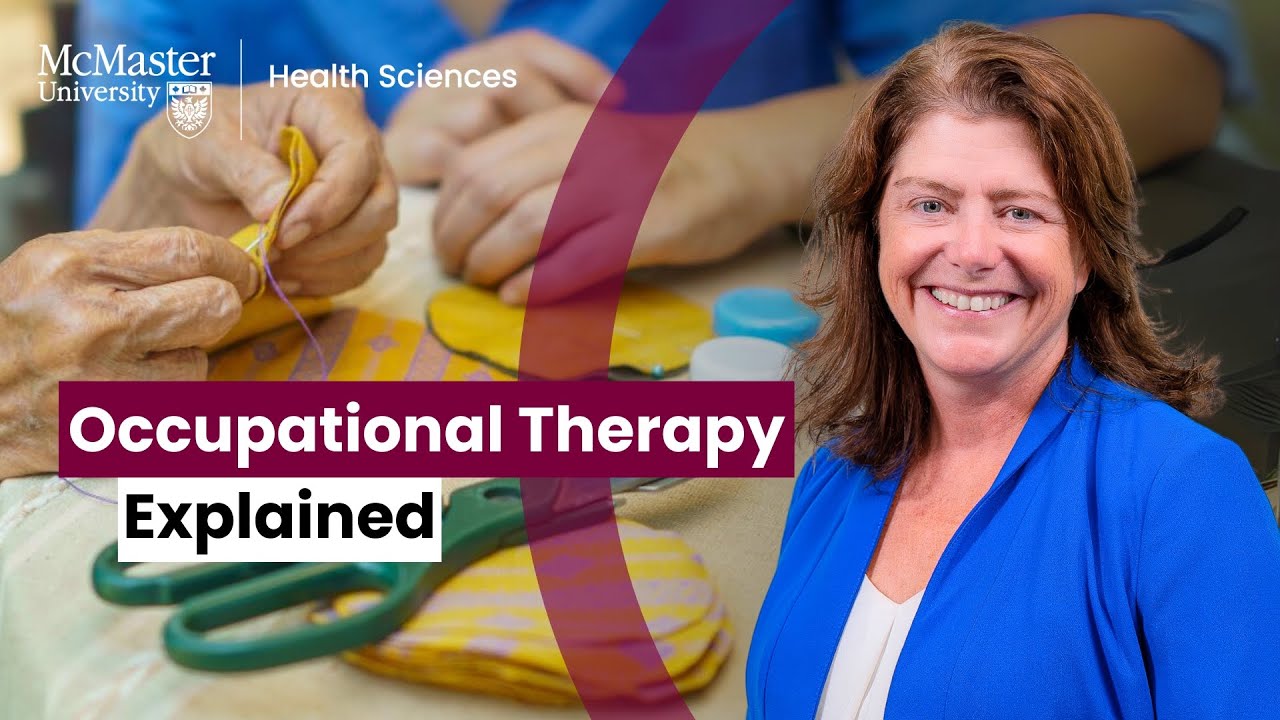
Occupational therapy (OT) is a client-centered practice that helps people participate in the things they want and need to do through the therapeutic use of everyday activities. Its role is to promote health and well-being by enabling individuals to perform meaningful tasks. An occupational therapist helps people with physical, sensory, or cognitive challenges to improve their ability to function independently.
The main difference in its approach compared to ABA is its holistic focus. Instead of concentrating primarily on behavior, OT looks at the entire person and their environment. Therapy sessions often involve improving sensory integration, fine and gross motor skills, and the ability to complete activities of daily living like dressing or eating. For children, this is often accomplished through playful activities that feel like fun, not work.
Ultimately, the goal of an occupational therapist is to help your child engage more fully in life. This could mean helping them button a shirt, adapt to new social situations, or manage sensory sensitivities. The therapy is tailored to support natural growth and skill acquisition at every stage of development.
Core Goals and Approaches of ABA vs Occupational Therapy
When comparing ABA therapy and occupational therapy, it is helpful to look at their core goals. ABA therapy is primarily focused on behavior analysis to drive skill acquisition and reduce challenging behaviors. It uses a data-driven approach to teach communication, social skills, and other useful behaviors in a structured manner.
In contrast, occupational therapy employs a holistic approach. Its main goal is to improve a child’s ability to perform everyday activities and function independently. While considering therapy options, it is important to understand these foundational differences, as they influence the focus areas and techniques used in each practice. Let’s explore the specific interventions of each therapy.
Focus Areas in ABA: Behavioral Change and Skill Building
ABA therapy concentrates on creating meaningful behavioral change and building essential life skills. Behavior analysts identify specific behavioral challenges and develop targeted plans to address them. The focus is on increasing positive behaviors while reducing actions that interfere with learning and social interaction. This process of behavior modification is central to the therapy.
The therapy systematically teaches new skills that enhance a child’s ability to navigate daily tasks and social environments. ABA therapists break down complex goals into smaller, teachable steps, using positive reinforcement to motivate progress. This structured approach is effective for teaching a wide range of abilities.
Common focus areas in ABA therapy include:
- Communication and language abilities
- Social skills and interaction with peers
- Daily living skills, such as self-care routines
- Reducing challenging or harmful behaviors
Holistic Interventions in Occupational Therapy
Occupational therapy provides holistic interventions that support a child’s overall development. The therapy sessions are designed to enhance a child’s ability to participate in daily activities at home, school, and in the community. This holistic approach considers the physical, sensory, emotional, and social factors that impact a child’s functioning.
A key part of OT is addressing sensory processing issues. Occupational therapists use controlled sensory experiences, often through play, to help children manage their responses to stimuli like sounds, textures, or lights. This process, known as sensory integration, helps improve self-regulation and attention.
Some of the main intervention areas in occupational therapy are:
- Developing fine motor skills for tasks like writing and buttoning
- Improving gross motor skills for coordination and balance
- Enhancing sensory processing and integration
- Building independence in self-care and daily activities
Key Differences Between ABA and Occupational Therapy
Understanding the key differences between ABA therapy and occupational therapy is crucial for making an informed choice. The main difference lies in their primary focus. ABA therapy uses behavior analysis to systematically teach new skills and modify specific behaviors, often related to communication and social interaction.
On the other hand, occupational therapy centers on improving a person’s ability to perform activities of daily living. It takes a broader view, addressing the physical, sensory, and cognitive skills needed for independence. The following sections will break down these distinctions further by looking at their assessment methods and techniques.
Assessment Methods and Data Tracking
One of the key differences between the two therapies is their assessment methods. In ABA therapy, the process often begins with a Functional Behavior Assessment (FBA). This detailed behavior analysis helps determine the purpose of a specific behavior. From there, therapists collect baseline data and use continuous data tracking to measure progress toward specific, measurable goals.
Occupational therapy uses a client-centered evaluation process. An OT will use standardized tests and observations to assess a child’s current skill level in areas like physical, cognitive, and social functioning. Based on these results, the therapist creates an individualized treatment plan that directly addresses the child’s unique needs and challenges.
How therapy providers measure progress also differs. While ABA relies heavily on quantitative data, OT often evaluates success based on the child’s ability to achieve functional goals and improve their overall quality of life.
| Feature | Applied Behavior Analysis (ABA) | Occupational Therapy (OT) |
|---|---|---|
| Primary Assessment | Functional Behavior Assessment (FBA) | Standardized tests, clinical observations |
| Focus | Identifies the function of a behavior | Assesses physical, cognitive, and social skills |
| Data Tracking | Continuous, systematic data collection on specific behaviors | Progress notes on functional goals and independence |
| Goal Setting | Specific, measurable behavioral objectives | Client-centered goals for daily living activities |
Techniques for Developing Social, Communication, and Daily Living Skills
Both therapies use distinct techniques for skill development. ABA therapy often employs structured methods to build social skills and communication skills. Positive reinforcement is a cornerstone, where desired behaviors are rewarded to increase their frequency. This helps children learn everything from making eye contact to participating in conversations.
In contrast, occupational therapy frequently uses play-based and activity-based interventions to improve activities of daily living skills. An OT might use a fun game to improve fine motor coordination or use social stories and visual supports to help a child navigate new social situations. The emphasis is on making learning natural and engaging.
Common techniques used in these therapies include:
- ABA: Discrete Trial Training (DTT) and positive reinforcement.
- OT: Sensory integration activities and play-based skill practice.
- Both: Breaking down complex tasks into smaller steps (chaining).
- OT: Using adaptive tools and environmental modifications to support social interaction.
How to Choose Between ABA and Occupational Therapy
So, how do you pick the right therapy for your child? The decision between these therapy options ultimately depends on your child’s specific needs and the primary goals you want to achieve. There is no one-size-fits-all answer, as the most effective approach is one that is tailored to your child’s unique strengths and challenges.
Start by identifying the main areas where your child needs support. Are behavioral issues the biggest hurdle, or are difficulties with daily tasks and sensory sensitivities more prominent? Understanding your child’s needs will help you determine which therapy’s skill sets and approach align best with your goals for their therapy sessions.
Factors to Consider Based on Individual Needs
When selecting a therapy, your decision should be guided by your child’s individual needs. Consider the primary challenges your child faces daily. Does your child struggle more with behavioral issues, communication difficulties, and social interaction, or with motor skills and completing daily self-care tasks?
The child’s ability and specific goals for skill acquisition are also critical. If the main goal is to reduce challenging behaviors and teach specific social or communication skills, ABA might be a better fit. If the focus is on improving independence in daily routines or managing sensory processing challenges, OT may be more appropriate. Significant improvements are possible when the therapy directly targets the area of greatest need.
Here are some key factors to consider:
- Primary Goals: Is the focus on behavior modification or on functional life skills?
- Sensory Needs: Does your child have significant sensory processing challenges that impact daily life?
- Learning Style: Does your child respond better to structured, repetitive teaching or to play-based learning?
- Emotional Regulation: Is support for managing emotions a primary concern?
Conclusion
In summary, choosing between ABA and Occupational Therapy is a significant decision that depends on individual needs and goals. Each therapy has its unique approaches, strengths, and focus areas, making it essential to consider what will work best for you or your loved one. Whether it’s the behavioral strategies of ABA or the holistic interventions offered by Occupational Therapy, understanding these differences can guide you towards the right choice.
At Epic Minds Therapy, we help families make informed decisions about the therapies that best support their child’s growth. Serving North Carolina, our team works closely with parents to explain the differences between ABA and occupational therapy, focusing on goals, daily impact, and long-term outcomes. With individualized ABA programs and clear guidance, we help families choose a path that truly fits their child’s needs. Contact Epic Minds Therapy today to get personalized support and clarity as you explore the right therapy option for your family.
Frequently Asked Questions
Can ABA and Occupational Therapy be combined for better outcomes?
Yes, combining ABA and occupational therapy can create a powerful, well-rounded treatment approach. A combined approach allows therapists to address behavioral, sensory, and functional needs simultaneously. During therapy sessions, ABA can focus on behavior modification while OT targets motor skills and daily activities, leading to more comprehensive skill development.
Is ABA or Occupational Therapy more effective for autism spectrum disorder?
Neither therapy is universally “more effective” for autism spectrum disorder; the best choice depends on the individual. ABA therapy is often recommended for addressing challenging behaviors and building specific communication skills. Occupational therapy is highly beneficial for children who struggle with sensory issues, motor skills, and daily skill learning.
What should parents and caregivers look for when selecting a therapy provider?
When choosing a provider, ensure they are licensed or certified and have experience with your child’s specific needs. Ask for a clear explanation of the treatment plan and how progress is measured. Ethical considerations, such as protecting personal information and involving you in the process, are also essential for successful therapy sessions.
Sources:
- https://wfot.org/about/about-occupational-therapy
- https://www.umassglobal.edu/blog-news/what-does-a-behavior-analyst-do
- https://www.behavior-analysis.org/
- https://www.simplypsychology.org/positive-reinforcement.html
- https://my.clevelandclinic.org/health/treatments/occupational-therapy
- https://my.clevelandclinic.org/health/diseases/sensory-processing-disorder-spd
- https://www.cde.state.co.us/cdesped/ta_fba-bip
- https://www.autismspeaks.org/expert-opinion/what-discrete-trial-training