

autism
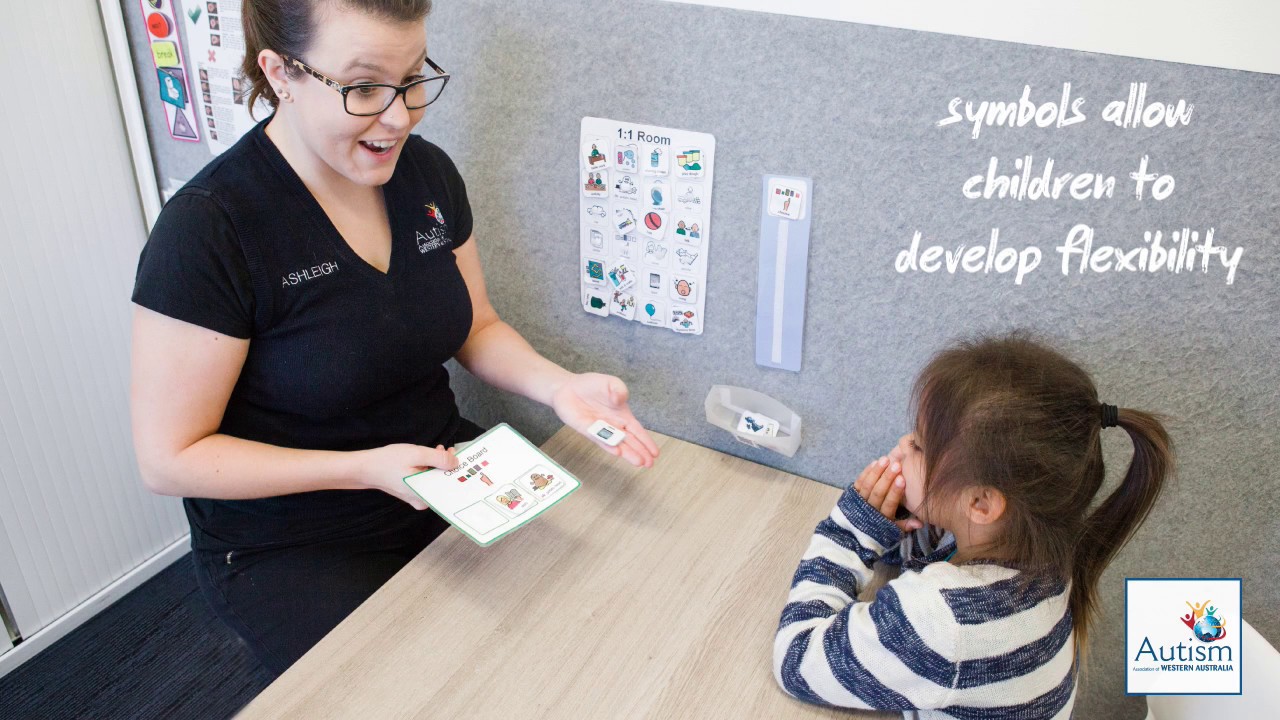
Visual Supports in Autism Communication use pictures, symbols, words, or schedules to make messages clear and predictable. They reduce language load, support attention, and help transitions. Families in our North Carolina sessions report fewer behaviors and faster follow-through when visuals are used consistently.
What counts as Visual Supports in Autism Communication
Picture schedules, first–then boards, PECS cards, choice boards, timers, labels, and visual rules. These tools give concrete cues for what, when, and how long.
Why it works
Many autistic learners process visual information more reliably than spoken language. Visuals stay in place, so the child can check them again. Studies report gains in requesting, following routines, and independence when visuals are embedded in daily tasks.
How to start today
Pick one routine. Make a 3–5 step picture schedule. Point to each step as you speak. Reinforce after the last step. Track time-to-finish and prompts given. Rotate images as skills grow. Visual Supports in Autism Communication work best when simple, consistent, and available where the task happens.
BUse Visual Supports in Autism Communication to make expectations visible and repeatable. Want a print-ready set tailored to your home? Call Epic Minds. We will design, teach, and data-check your visuals this week.
FAQ
What tools should I try first?
First–then boards, picture schedules, and choice boards.
Do visuals replace speech?
No. They support understanding and expression.
How do I measure progress?
Track prompts needed and time-to-finish.
Where should visuals go?
At the point of use, like the sink, desk, or backpack.
Sources:
- https://vkc.vumc.org/assets/files/resources/visualsupports.pdf
- http://www.mypecs.com/
- https://www.leicspart.nhs.uk/autism-space/health-and-lifestyle/autism-and-visual-schedules/
- https://pmc.ncbi.nlm.nih.gov/articles/PMC8733412/