

ABA Therapy
Navigating the social world can be challenging, especially for children who struggle with social interactions. For many families, finding the right support is a top priority. ABA therapy enhancing social skills. This method provides a structured and supportive framework to help children build confidence and enhance their social skill development. By focusing on individual needs, ABA therapy empowers children to form meaningful connections and participate more fully in their communities.
Core Principles of ABA Therapy in Social Skill Development
Applied Behavior Analysis (ABA) therapy is built on a foundation of proven scientific principles to foster positive behavioral changes. In the context of social development, this form of behavior analysis uses a systematic approach to teach and reinforce essential social skills, helping children understand and navigate social landscapes more effectively.
This therapy is not a one-size-fits-all solution. Instead, it relies on specific, evidence-based methods to target communication and interaction. Let’s explore the core ideas that make ABA therapy a powerful tool for social growth.
Understanding Applied Behavior Analysis and Its Focus
Applied Behavior Analysis, or ABA, is a therapeutic method backed by extensive research. Its main goal is to improve specific behaviors, and when it comes to social skills, its focus is clear: to help children learn how to interact with others more successfully and confidently. Behavior analysis principles are used to understand how behaviors are learned and how they are affected by the environment.
A central element of ABA therapy is its highly individualized nature. Before therapy begins, ABA therapists conduct thorough assessments to identify your child’s unique strengths and areas for improvement. This detailed evaluation looks at everything from communication abilities to how your child engages with peers.
This tailored approach ensures that the interventions are relevant and effective for your child. Can ABA therapy be tailored to fit a child’s unique social needs? Absolutely. By creating a customized plan, therapists can focus on the specific skills your child needs most, setting them on a path toward greater social competence and independence.
How ABA Therapy Targets Social Communication
One of the most effective aspects of ABA therapy is how it breaks down complex social behaviors into smaller, more manageable steps. This structured approach makes it easier for children to learn and practice. For instance, a skill like starting a conversation might be broken down into making eye contact, saying hello, and asking a question.
A key technique in this process is positive reinforcement. When a child successfully uses a social skill, they receive a reward, such as praise or a favorite activity. This encouragement motivates them to repeat the positive behavior, boosting their confidence. This social skills training helps children engage in effective communication and follow social norms more frequently.
What types of social skills are commonly addressed in ABA therapy? Therapists often target foundational skills like turn-taking, sharing, maintaining eye contact, and responding to social greetings. By focusing on these building blocks, ABA helps children develop the tools they need for more successful social communication.
Evidence-Based Techniques for Social Growth
ABA therapy utilizes a variety of evidence-based techniques to promote social growth. These ABA interventions are designed to be engaging and effective, helping children learn in ways that feel natural. The strategies are chosen based on a child’s individual needs and learning style, ensuring the best possible outcomes for social skills development.
These methods are supported by data collection, which allows therapists to track progress and adjust the plan as needed. Some of the most effective techniques include:
- Naturalistic Language Strategies: Integrating communication practice into everyday activities.
- Video Modeling: Using videos to show examples of appropriate social behaviors.
- Functional Communication Training (FCT): Teaching meaningful ways to express needs and thoughts.
- Pivotal Response Training (PRT): Targeting key developmental areas to increase motivation for social interaction.
How quickly do most children show improvements in social skills through ABA? While every child’s journey is different, consistent training with these proven techniques can lead to noticeable progress. One study showed significant improvements in communication and social interaction after just eight sessions, highlighting the potential for timely growth.
Why Social Skills Matter for Children’s Overall Well-Being
Social skills are the foundation upon which we build relationships and navigate the world. For children, developing social competence is crucial for their happiness and success. The importance of social skills extends far beyond the playground; it impacts their academic performance, emotional health, and ability to form lasting friendships. Strong social interactions help children feel connected and understood.
When children can communicate effectively and confidently, they are better equipped to handle life’s challenges. The following sections will look at how these skills influence school life, long-term emotional well-being, and self-confidence.
Impact of Social Skills on School and Peer Relationships
In a school environment, social skills are essential for success. Children need to be able to participate in group settings, follow directions, and work with their classmates. Positive social interactions with teachers and peers make the learning experience more enjoyable and effective. When children struggle with these skills, they may have a harder time in the classroom.
Peer interactions are equally important. Making and keeping friends helps children feel a sense of belonging and reduces feelings of isolation. Children with strong social skills are better at initiating play, sharing, and resolving conflicts, which are all key components of healthy friendships.
How quickly do most children show improvements in social skills through ABA? Progress varies for each child, but structured ABA therapy can lead to noticeable changes in how they handle peer interactions. As they build skills and confidence, children often become more engaged in group activities and form stronger connections with their peers, leading to a more positive school experience.
Long-Term Benefits for Emotional Health
The ability to navigate social situations successfully has a profound impact on a child’s long-term emotional health. When children learn to understand social cues and communicate their feelings, they develop better emotional regulation. This skill helps them manage stress, frustration, and anxiety in a healthy way, contributing to a higher quality of life.
The social development fostered through ABA therapy also helps children build empathy. By learning to recognize the feelings of others, they can form deeper, more meaningful connections. This understanding strengthens their relationships and provides a strong support system as they grow.
Can ABA therapy be tailored to fit a child’s unique social needs? Yes, and this customization is key to promoting emotional well-being. By addressing a child’s specific social challenges, ABA therapy helps them feel more competent and less anxious in social situations. This tailored support paves the way for greater emotional resilience and overall life satisfaction.
Building Confidence Through Improved Interaction
Confidence is often a direct result of experience. As children practice and succeed in social interactions, their self-esteem grows. ABA therapy creates many opportunities for this success through positive reinforcement. When a child is praised for sharing a toy or joining a conversation, they feel a sense of accomplishment that encourages them to try again.
This boost in confidence is a powerful motivator. A child who feels good about their ability to interact with others is more likely to seek out social opportunities, leading to even more practice and growth. This positive cycle is a core part of social development.
What types of social skills are commonly addressed in ABA therapy? Skills like initiating conversations, sharing, and taking turns are common targets. Each successful attempt, no matter how small, reinforces the child’s belief in their own abilities. This growing confidence is one of the most transformative outcomes of ABA therapy, empowering children in all areas of their lives.
Specific ABA Strategies That Enhance Social Skills
ABA therapy isn’t just a general concept; it’s a collection of specific, actionable strategies designed to teach and reinforce positive social behaviors. These ABA interventions provide a clear roadmap for social skills training, making the learning process structured and effective. Therapists use a variety of techniques to help children practice and master social interactions in a supportive setting.
From acting out scenarios to using gentle encouragement, these methods are designed to be both practical and motivating. Let’s look at some of the key strategies used in ABA therapy to help children enhance their social abilities.
Role-Playing and Modeling Social Behaviors
Practicing social skills in a safe and controlled environment is one of the most effective ways for children to learn. Role-playing allows children to act out various social situations with a therapist, giving them a chance to try out new skills without the pressure of a real-life interaction. This could involve practicing how to join a game or ask a friend to play.
Modeling is another powerful technique where the therapist demonstrates appropriate social behaviors for the child to imitate. By watching someone else successfully navigate a social interaction, children get a clear visual example of what to do. Social stories, which are personalized narratives that explain social situations, are also used to help children understand expectations and reduce anxiety.
What types of social skills are commonly addressed in ABA therapy through these methods? Common scenarios include:
- Initiating and maintaining conversations
- Learning to take turns and share
- Greeting peers and adults appropriately
- Asking for help
Use of Reinforcement and Prompting
Positive reinforcement is the engine that drives progress in ABA therapy. When a child demonstrates a desired social skill, they receive a reward that is meaningful to them. This reward could be verbal praise, a high-five, or a few minutes with a favorite toy. This reinforcement immediately strengthens the behavior, making it more likely to happen again.
Prompting is another essential tool. A prompt is a subtle cue or hint that helps a child perform a skill correctly. For example, a therapist might gently point to another child to prompt the child to share. The goal is to gradually fade these prompts as the child becomes more independent.
How quickly do most children show improvements in social skills through ABA? The consistent use of reinforcement and prompting can significantly speed up the learning process. By creating a positive and encouraging atmosphere, ABA therapy helps children feel motivated and successful, which often leads to faster and more lasting improvements in their social abilities.
Generalizing Skills Beyond Therapy Sessions
The ultimate goal of ABA therapy is for children to use their new skills in everyday life. This process is called generalization. It’s not enough for a child to demonstrate a skill in the therapy room; they need to be able to apply it at school, at home, and in community settings.
ABA therapists use specific strategies, like Natural Environment Training (NET), to promote generalization. NET involves practicing skills in real-world contexts, such as during playtime or a trip to the store. This helps children see how the skills they are learning are relevant to their daily lives and encourages them to use them spontaneously.
Can ABA therapy be tailored to fit a child’s unique social needs? Yes, and this includes planning for generalization. The social skill development plan will include opportunities to practice skills in different settings and with different people, such as during group activities. This ensures the child can confidently use their social skills wherever they go.
The Importance of Family and Caregiver Involvement in ABA
For ABA therapy to be truly effective, the work can’t stop when the session ends. The involvement of family members and caregivers is essential for reinforcing what a child learns. When everyone is on the same page, a child receives consistent support, which accelerates their social skills development. This collaboration creates a supportive environment where progress can flourish.
Parents and caregivers are a child’s first and most important teachers. By actively participating in ABA services, you can help your child practice and generalize their new skills in the most natural settings of all: home and family life.
Parental Participation in Social Skills Training
Your involvement in your child’s social skills training can make a world of difference. ABA therapists often train parents to use the same techniques at home, creating a seamless and consistent learning experience. When you participate, you become a key part of your child’s therapy team, providing valuable emotional support and reinforcement.
One of the most powerful strategies is positive modeling. When you demonstrate appropriate social interactions, your child has a constant, real-life example to learn from. You can also provide specific praise when you see your child using their new skills. To boost parental involvement, ABA therapy often includes training on how to:
- Use positive reinforcement effectively.
- Arrange structured playdates with peers.
- Talk about emotions to help build empathy.
- Create a welcoming and supportive atmosphere for practice.
Can ABA therapy be tailored to fit a child’s unique social needs? Yes, and parental training is a big part of that. The strategies you learn will be customized to your family’s routine and your child’s specific goals.
Helping Children Apply Learned Skills at Home
The home environment is the perfect place for children to practice their social skills in a safe and loving setting. By incorporating practice into your daily routine, you help your child see that these skills are a natural part of life. This consistent application is crucial for long-term social skill development.
You can create opportunities for social interactions throughout the day. For example, encourage turn-taking during a family board game or practice conversation skills at the dinner table. When you see your child using positive behaviors, be sure to offer praise and encouragement. This reinforces their efforts and builds their confidence.
How quickly do most children show improvements in social skills through ABA? When skills are consistently practiced in the home environment, children often make faster progress. This real-world application helps solidify what they’ve learned in therapy, making their new social abilities stronger and more automatic.
Addressing Social Challenges Unique to Autism Spectrum Disorder
Children with Autism Spectrum Disorder (ASD) often face a unique set of challenges when it comes to social interaction and communication. ABA therapy is particularly effective for these children because its methods of behavior analysis can pinpoint and address specific social skill deficits. The therapy provides a structured framework for learning skills that may not come naturally.
By understanding the common barriers associated with ASD, ABA therapists can develop targeted interventions that help children improve their social abilities and emotional regulation. The following sections explore how ABA identifies these challenges and customizes its approach to meet each child’s individual needs.
Identifying Common Barriers to Social Interaction
For children on the autism spectrum, certain social barriers can make interactions feel confusing or overwhelming. A key part of ABA therapy is identifying these specific challenges so they can be directly addressed. Understanding these obstacles is the first step toward overcoming them.
Many children with autism struggle to interpret nonverbal communication. This means they may have difficulty understanding social cues like facial expressions, body language, or tone of voice. This can make it hard to follow conversations or know how someone else is feeling in various social situations. Common social barriers include:
- Difficulty understanding and using nonverbal social cues.
- Challenges with initiating conversations or engaging in back-and-forth dialogue.
- Avoiding eye contact during interactions.
- Showing limited interest in social play with peers.
What types of social skills are commonly addressed in ABA therapy? By identifying these barriers, therapists can then target the corresponding skills, such as learning to read facial expressions or practicing how to start a conversation.
Customizing ABA Techniques for Individual Needs
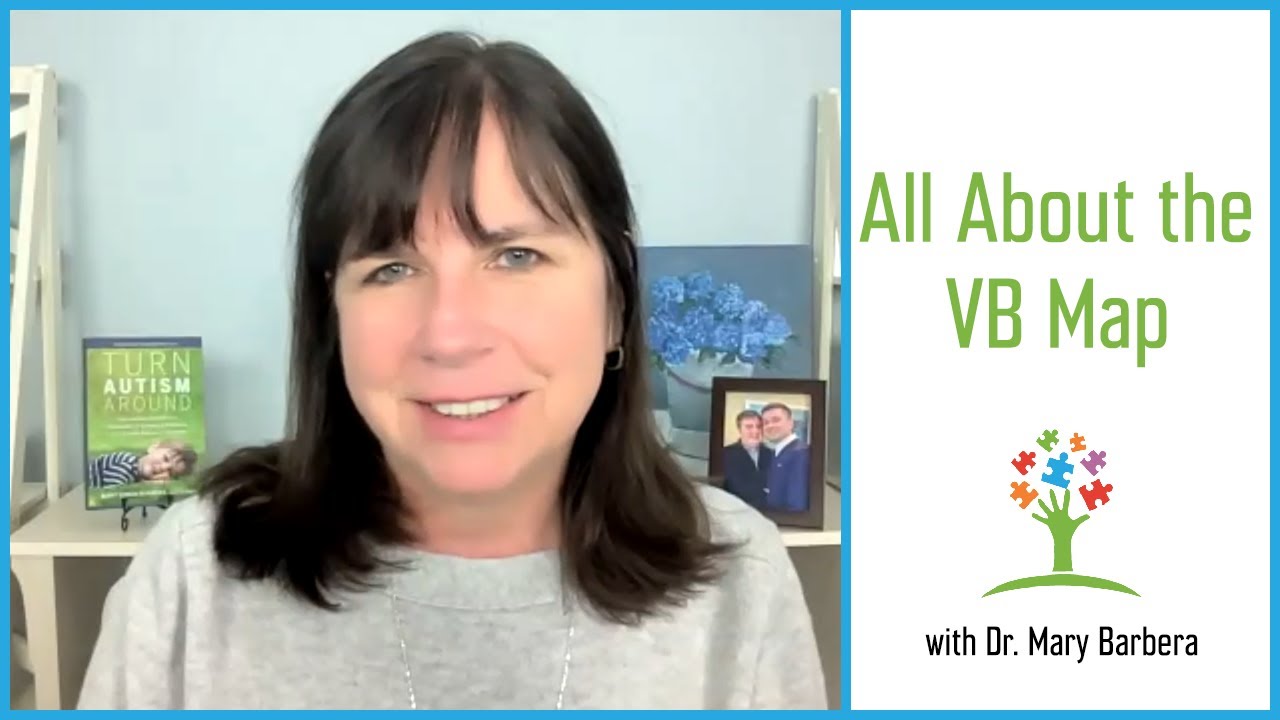
There is no one-size-fits-all applied behavior analysis program. The strength of ABA therapy lies in its ability to be completely customized to a child’s individual needs. This process begins with thorough assessments, which provide a detailed picture of a child’s social abilities and challenges. These evaluations might include tools like the Verbal Behavior Milestones Assessment (VB-MAPP).
Based on this information, a unique treatment plan is developed. This plan outlines specific, achievable goals and the ABA techniques that will be used to meet them. The focus is always on what will be most meaningful and effective for that particular child.
Can ABA therapy be tailored to fit a child’s unique social needs? Emphatically, yes. This individualized approach is the cornerstone of ABA. By tailoring interventions to a child’s specific deficits and strengths, ABA therapy ensures that every session is productive and moves the child closer to their social goals.
Measuring Success in ABA Social Skills Programs
One of the defining features of ABA therapy is its commitment to data and measurement. Success isn’t just a feeling; it’s something that can be tracked and quantified. Through continuous data analysis, therapists can clearly see which ABA interventions are working and how much progress a child is making in their social skills development.
This data-driven approach ensures that the therapy remains effective and accountable. It allows for adjustments to be made in real time, maximizing the child’s potential for growth. Let’s examine how goals are set and how progress is monitored to ensure success.
Setting Realistic Social Skill Acquisition Goals
In applied behavior analysis, big goals are achieved by taking small, manageable steps. Instead of aiming for a broad target like “make more friends,” therapists work with you and your child to set specific, realistic social skill acquisition goals. This approach makes the learning process less overwhelming and allows for frequent celebration of successes along the way.
For example, a goal might be for your child to independently approach a peer to start a conversation once per play session. Other essential social skills goals could include inviting a peer to join in their play or raising their hand to answer a question during circle time. These small wins build momentum and confidence.
How quickly do most children show improvements in social skills through ABA? Setting realistic goals in manageable steps often allows for quicker, more visible signs of progress. This helps keep both children and parents motivated on the journey.
| Goal Area | Example Goal |
|---|---|
| Social Initiation | Child will independently approach a peer to initiate a conversation. |
| Group Participation | Child will raise their hand to answer a question during group time. |
| Cooperative Play | Child will invite a peer to join their free play activity. |
| Recognition | Child will state the name of a missing peer during a group game. |
Tracking Progress and Making Adjustments
Continuous progress monitoring is a critical component of ABA therapy. Therapists use systematic data collection during every session to track your child’s performance on their social skills goals. This information provides objective evidence of progress and highlights any areas where the child may be struggling.
This data isn’t just filed away; it’s actively used to guide the therapy. If a child is mastering a skill quickly, the therapist might move on to the next step. If progress is slow, the therapist can analyze the data to understand why and make adjustments to the teaching strategy. This ensures that the therapy is always as effective as possible.
Can ABA therapy be tailored to fit a child’s unique social needs? Yes, and this ongoing process of tracking and adjusting is a perfect example of how. It allows the therapy to evolve with your child, ensuring that the plan always supports their current needs for effective communication and social growth.
Integrating ABA Therapy into Everyday Environments
For social skills to become second nature, they must be practiced in the real world. Integrating ABA therapy strategies into everyday situations is key to helping children generalize what they’ve learned. The goal is to move skills out of the therapy room and into the environments where they matter most, like school, home, and the community.
Creating a supportive environment where a child feels safe to practice their growing social abilities is a collaborative effort. It involves everyone in the child’s life working together to reinforce positive behaviors. The following sections discuss how to make this integration happen.
Collaborating With Educators and Daycare Providers
Consistency is key to success in social skills training. When the strategies used in ABA therapy are also used at school or daycare, a child receives a clear and consistent message about social expectations. Collaboration between ABA therapists, educators, and daycare providers is crucial for creating this unified approach.
ABA therapists can share effective strategies and provide guidance to teachers on how to support a child’s social goals in the classroom. This might involve setting up structured group games that encourage turn-taking or using similar prompting techniques to what is used in therapy. This partnership ensures the child is supported across all settings.
What types of social skills are commonly addressed in ABA therapy that can be supported at school? Skills like waiting your turn, participating in group activities, and following classroom routines are perfect examples. When educators are part of the team, they can help reinforce these skills throughout the school day.
Supporting Social Development in Community Activities
Community settings offer a wealth of natural opportunities for children to practice their social skills. Whether it’s a playdate at the park, a family trip to the grocery store, or participation in community activities like sports or clubs, these outings are valuable learning experiences. They allow children to use their skills in new and dynamic social situations.
Supporting your child in these settings can help build their social competence and confidence. You can prepare them beforehand using social stories or role-playing, and provide gentle prompts and reinforcement during the activity. This helps bridge the gap between therapy and real-world application.
Can ABA therapy be tailored to fit a child’s unique social needs? Absolutely. The choice of community activities can be tailored to your child’s interests to make practicing social skills more fun and motivating. This focus on individual preferences helps foster genuine social development and a desire to engage with others.
Conclusion
In conclusion, ABA therapy plays a pivotal role in enhancing social skills for children, especially those on the autism spectrum. By employing evidence-based techniques such as role-playing and reinforcement, ABA helps children develop essential communication and interaction abilities. These skills are vital not just for their immediate peer relationships but also for fostering long-term emotional health and confidence. The involvement of family and caregivers further enhances the impact of these strategies, enabling children to apply their skills in real-world situations.
At Epic Minds Therapy, we help children build meaningful social skills that support confidence, friendships, and everyday success. Serving families across North Carolina, our team uses individualized ABA strategies to teach communication, cooperation, and emotional awareness in ways that feel natural and engaging. We focus on real-life practice so progress carries over from therapy sessions into school, home, and the community. Contact Epic Minds Therapy today to learn how our personalized approach can help your child grow stronger social connections and thrive.
Frequently Asked Questions
What types of social skills are commonly addressed in ABA therapy?
ABA therapy addresses a wide range of social skills, from foundational to complex. Common targets include making eye contact, taking turns in conversations and games, sharing with peers, and initiating social interactions. The therapy also helps children understand and follow social norms, which is crucial for building friendships.
How quickly do most children show improvements in social skills through ABA?
The rate of progress in ABA therapy varies for each child, as it depends on individual needs and the intensity of the ABA interventions. However, with consistent behavior analysis and positive social interactions, many families see noticeable improvements in their child’s social skills development within a few months.
Can ABA therapy be tailored to fit a child’s unique social needs?
Yes, absolutely. A core principle of ABA therapy is its individualized approach. Therapy always begins with thorough assessments to understand a child’s unique strengths and challenges. This allows therapists to create a customized plan that targets specific goals, ensuring the most effective communication and social skill development possible.
Sources
- https://www.behavior-analysis.org/
- https://www.simplypsychology.org/positive-reinforcement.html
- https://pmc.ncbi.nlm.nih.gov/articles/PMC2846575/
- https://www.autismspeaks.org/pivotal-response-treatment-prt
- https://pmc.ncbi.nlm.nih.gov/articles/PMC6593356/
- https://www.commonwealthautism.org/teaching-outside-of-the-table/
- https://www.nimh.nih.gov/health/topics/autism-spectrum-disorders-asd
- https://pubmed.ncbi.nlm.nih.gov/39258036/