

ABA TherapyBlog
Parents often want a simple answer: What do kids do in ABA therapy?
Children in ABA therapy learn communication, social skills, daily living skills, and behavior regulation through structured, evidence-based activities. Sessions are individualized. They may include play-based learning, structured teaching, social practice, and skill-building routines based on each child’s goals.
This article explains in detail What do kids do in ABA therapy?, how sessions are structured, and what research says about its effectiveness.
What Do Kids Do in ABA Therapy? The Core Purpose
To understand What do kids do in ABA therapy?, it helps to understand the goal of ABA.
Applied Behavior Analysis focuses on:
- Increasing helpful behaviors
- Decreasing behaviors that interfere with learning
- Teaching new skills in small, measurable steps
According to Autism Speaks, ABA therapy uses positive reinforcement and data-driven instruction to improve communication, social skills, and learning. Children are not simply “playing.” They are practicing skills in a structured way.
What Do Kids Do in ABA Therapy? Communication Training
One of the main answers to What do kids do in ABA therapy? is communication work.
Activities may include:
- Requesting preferred items
- Naming objects
- Answering simple questions
- Practicing conversation
- Using picture communication systems
For example:
A child wants a toy. The therapist pauses and prompts the child to say “car please.” The child receives the toy immediately after responding. This teaches cause-and-effect communication.
What Do Kids Do in ABA Therapy? Play-Based Learning
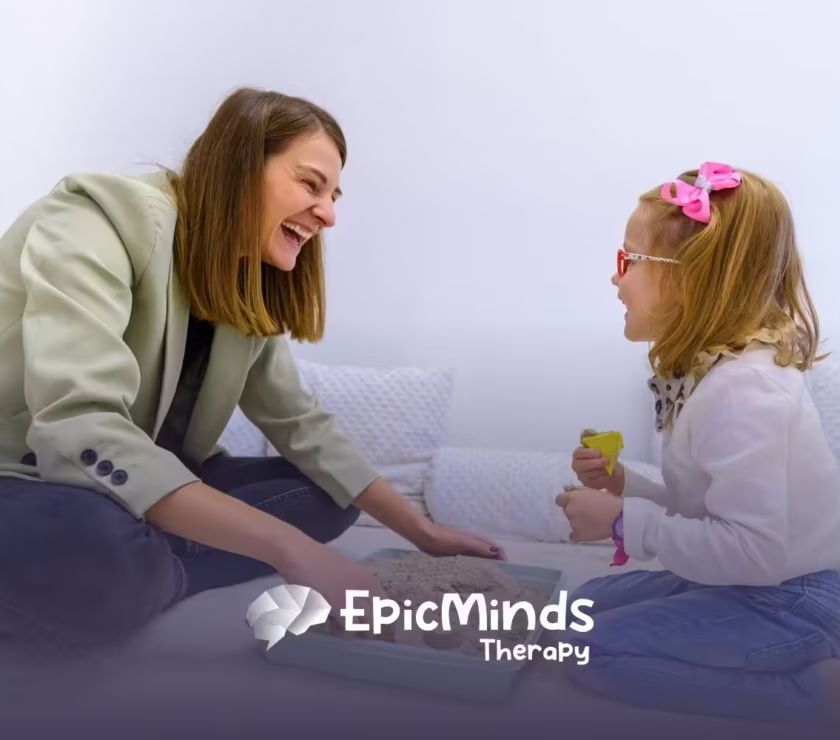
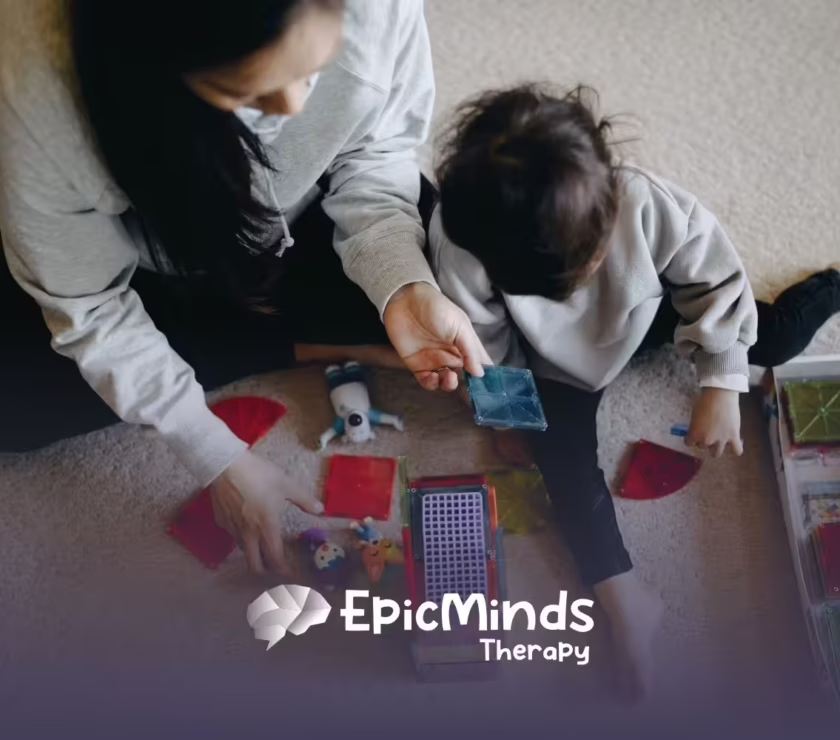
Play is often part of ABA sessions. According to Raising Children Network, ABA programs can include structured play activities designed to build communication and social engagement.
During play, children may practice:
- Turn-taking
- Sharing
- Imitation
- Following instructions
Play becomes a teaching opportunity.
What Do Kids Do in ABA Therapy? Social Skills Practice
Social development is another key area.
Children may work on:
- Greeting others
- Making eye contact
- Waiting their turn
- Recognizing emotions
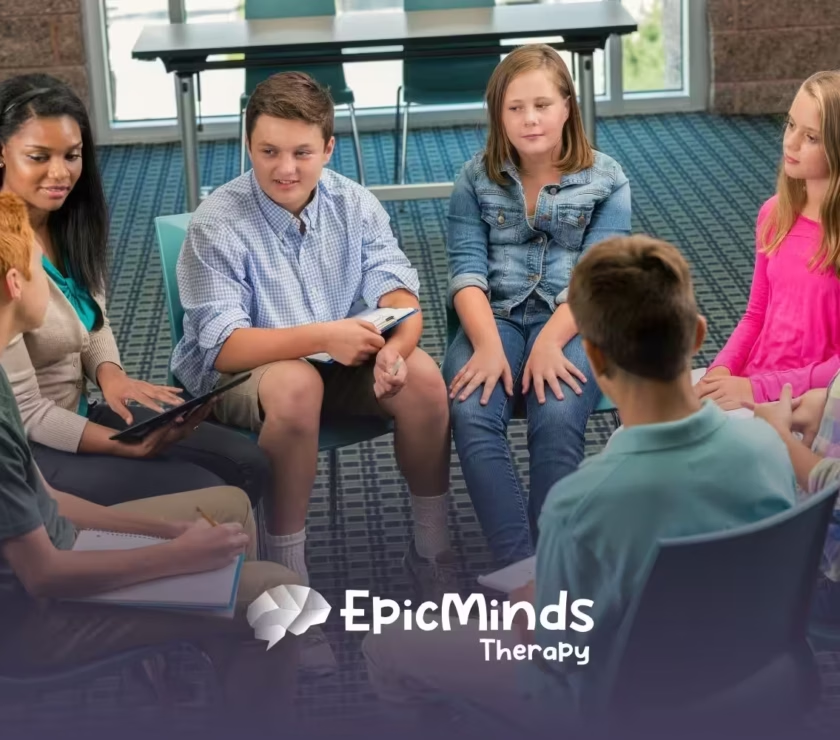
Social skills groups may be used when appropriate.
Children practice skills with peers in guided settings.
What Do Kids Do in ABA Therapy? Behavior Support
Some sessions focus on reducing challenging behaviors.
This involves:
- Identifying triggers
- Teaching replacement behaviors
- Reinforcing appropriate responses
For example:
If a child throws items to escape a task, the therapist teaches the child to say “break.” The child receives a short break when asking appropriately.
This is based on reinforcement principles.
What Do Kids Do in ABA Therapy? Daily Living Skills
ABA often includes practical life skills.
Children may practice:
- Washing hands
- Dressing
- Cleaning up
- Following routines
These skills increase independence. The Children’s Autism Center highlights that ABA supports life skills that improve daily functioning.
What Does a Typical ABA Session Look Like?
When parents ask, What do kids do in ABA therapy?, they often picture a rigid classroom. In reality, sessions vary.
A typical session may include:
- Warm-up and rapport building
- Structured skill teaching
- Play-based instruction
- Snack or break routine practice
- Social interaction activities
- Data collection and reinforcement
Sessions can occur:
- At a clinic
- At home
- In school
- In community settings
The environment depends on the treatment plan.
Case Example: A 4-Year-Old in ABA Therapy
Child profile:
- Limited speech
- Difficulty transitioning
- Frequent tantrums
Session plan includes:
- Teaching 10 new words
- Practicing asking for help
- Using visual schedule for transitions
- Reinforcing calm behavior
After several months:
- Vocabulary increases
- Tantrums decrease
- Independent transitions improve
This example illustrates what children may do when families ask, What do kids do in ABA therapy?
Data Collection in ABA
Another key answer to What do kids do in ABA therapy? is data tracking.
Therapists record:
- Correct responses
- Prompt levels
- Behavior frequency
- Skill progress
This ensures measurable outcomes.
How Many Hours Do Kids Spend in ABA?
Programs vary. Research supports early intensive behavioral intervention, often 20–40 hours per week for young children.
However, hours are determined by:
- Assessment results
- Age
- Skill level
- Family goals
Are Kids Always Sitting at a Table?
No. While structured teaching may occur at a table, ABA also includes:
- Floor play
- Outdoor practice
- Community outings
- Natural environment teaching
Learning happens in real-world settings.
How Progress Is Measured
When evaluating What do kids do in ABA therapy?, progress measurement matters.
Therapists use:
- Baseline data
- Goal tracking
- Regular parent meetings
- Skill mastery criteria
Adjustments are made based on data.
Conclusion
The question What do kids do in ABA therapy? has a clear answer. Children practice communication, social skills, behavior regulation, and daily living skills using structured, evidence-based methods. ABA therapy is individualized. It focuses on measurable growth and practical outcomes.
At Epic Minds Therapy, our clinical team designs customized ABA programs based on comprehensive assessments and ongoing data analysis. If you want to understand how ABA therapy could support your child’s communication and independence, schedule an evaluation with Epic Minds Therapy today. Our team will walk you through what sessions look like and how goals are created.
FAQs
What do kids do in ABA therapy every day?
They practice communication, social skills, and daily living tasks through structured activities and play-based learning.
What do kids do in ABA therapy at home?
They may work on routines, communication requests, and behavior strategies within daily activities.
What do kids do in ABA therapy for behavior problems?
Therapists identify triggers and teach replacement behaviors using reinforcement strategies.
What do kids do in ABA therapy for speech delays?
They practice requesting, labeling, answering questions, and conversational skills.
What do kids do in ABA therapy sessions with peers?
They practice turn-taking, social interaction, and group participation skills.