

Blog
Yes, many people with autism have very good memory skills, but it often depends on the type of memory. Autistic individuals tend to excel in rote memory, the ability to recall facts, details, or sequences with high accuracy. For example, they might remember dates, schedules, or specific conversations from years ago.
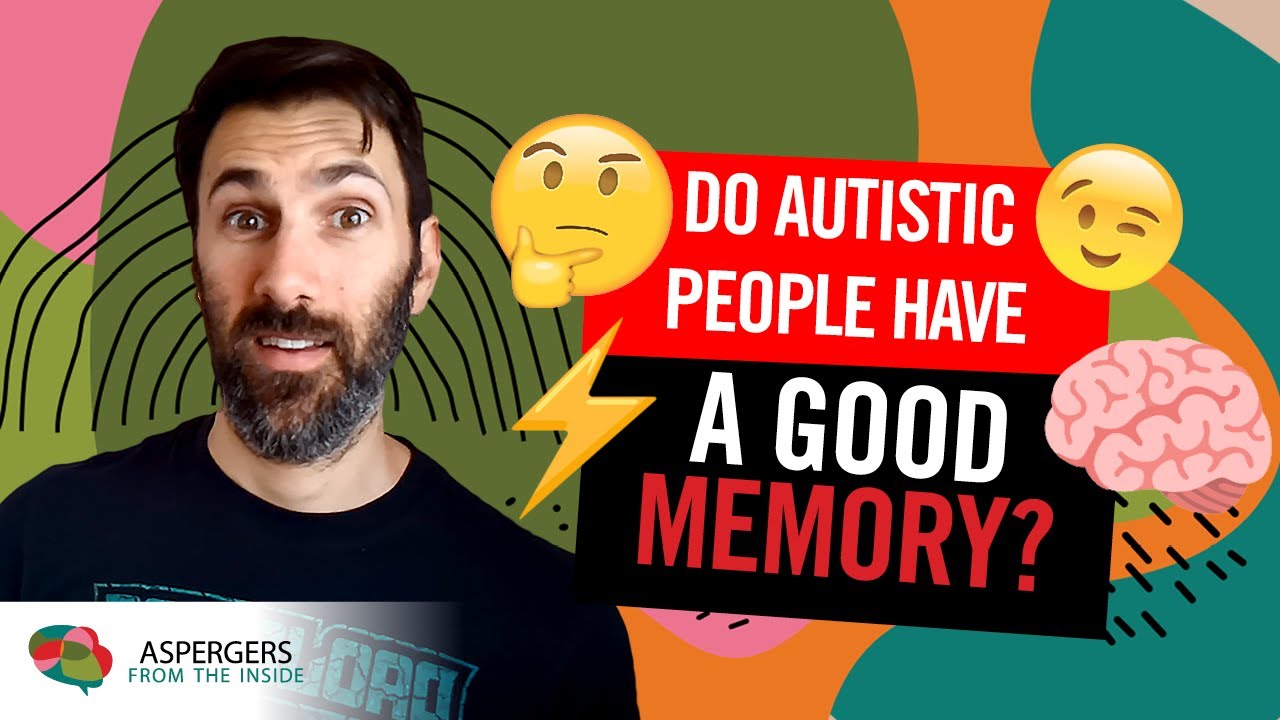
However, working memory which includes holding and using information in the moment can sometimes be more challenging. This means while someone may recall detailed facts easily, they might struggle with multi-step instructions or quickly changing tasks.
Another strength for many autistic people is visual memory. They may remember places, objects, or patterns far better than neurotypical individuals. These unique memory patterns can be a valuable tool for learning and personal growth.
It’s important to recognize that memory skills vary widely among individuals on the spectrum. Understanding and supporting their strengths can help them thrive in school, work, and daily life.
Want to help your child build on their unique strengths? At Epic Minds Therapy, we create personalized ABA therapy plans to support skill development and independence.
Contact us today to learn more about our ABA services in North Carolina!
Frequently Asked Questions
1. What types of memory are often strong in people with autism?
Many people with autism show strengths in rote memory (recalling facts or sequences) and visual memory (remembering images, patterns, or details), which means they may recall specific information with high accuracy.
2. Do all autistic individuals have good memory?
No — memory abilities vary widely from person to person. Some may excel at remembering facts or routines, while others may find certain memory tasks more challenging.
3. Are there memory areas that can be harder for autistic people?
Yes. Working memory — the ability to hold and manipulate information in the short-term, like multi-step instructions — can be more difficult for some autistic individuals. Some may also find recalling personal experiences or social information harder than recalling facts.
4. Does having strong memory mean someone has “photographic” memory?
Not necessarily. While some autistic people may have very detailed recall for certain types of information (especially areas of deep interest), “photographic memory” is not a universal trait and does not apply to everyone on the spectrum.
5. How can understanding memory strengths and challenges help support someone with autism?
Recognizing unique memory patterns can help caregivers, educators, and therapists tailor learning strategies, use visual supports, and build routines that enhance learning and independence.
Sources:
- https://raisingchildren.net.au/autism/learning-about-autism/about-autism/learning-strengths-asd
- https://www.autismparentingmagazine.com/autism-memory/
- https://med.stanford.edu/news/all-news/2023/07/children-autism-memory.html
- https://www.psychologytoday.com/us/blog/keep-it-in-mind/202204/autism-memory-superpower