

autism

Daily life requires attention, communication, planning, and social interaction. For some adults, differences in these areas may be linked to neurodevelopmental conditions such as autism or Attention-Deficit/Hyperactivity Disorder (ADHD). Many individuals experience traits associated with both conditions. Because of this, clinicians and researchers often study autism and ADHD symptoms in adults together.
The short answer is that autism and ADHD can co-occur, and they share some overlapping traits. At the same time, each condition has distinct characteristics.
This article explains autism and ADHD symptoms in adults, how they overlap, how they differ, and what research shows about diagnosis and support.
What Are Autism and ADHD?
Autism spectrum disorder (ASD) is a neurodevelopmental condition that affects communication, social interaction, and patterns of behavior. ADHD is a neurodevelopmental condition that affects attention, impulsivity, and activity levels.
Both conditions begin in childhood but often continue into adulthood. Understanding both conditions is essential when exploring autism and ADHD symptoms in adults.
How Common Is the Overlap Between Autism and ADHD?
Research shows that co-occurrence between autism and ADHD is common. Studies estimate that a significant percentage of individuals diagnosed with autism also show symptoms of ADHD. This overlap is why clinicians often evaluate Autism and ADHD Symptoms in Adults together.
Core Autism and ADHD Symptoms in Adults
Understanding the characteristics of each condition helps clarify autism and ADHD symptoms in adults.
Autism Symptoms in Adults
Common traits may include:
- difficulty with social communication
- preference for routines
- repetitive behaviors
- sensory sensitivities
- focused or specialized interests
ADHD Symptoms in Adults
Common traits may include:
- difficulty maintaining attention
- impulsivity
- disorganization
- challenges with time management
- restlessness
Each condition presents differently, but both contribute to autism and ADHD symptoms in adults.
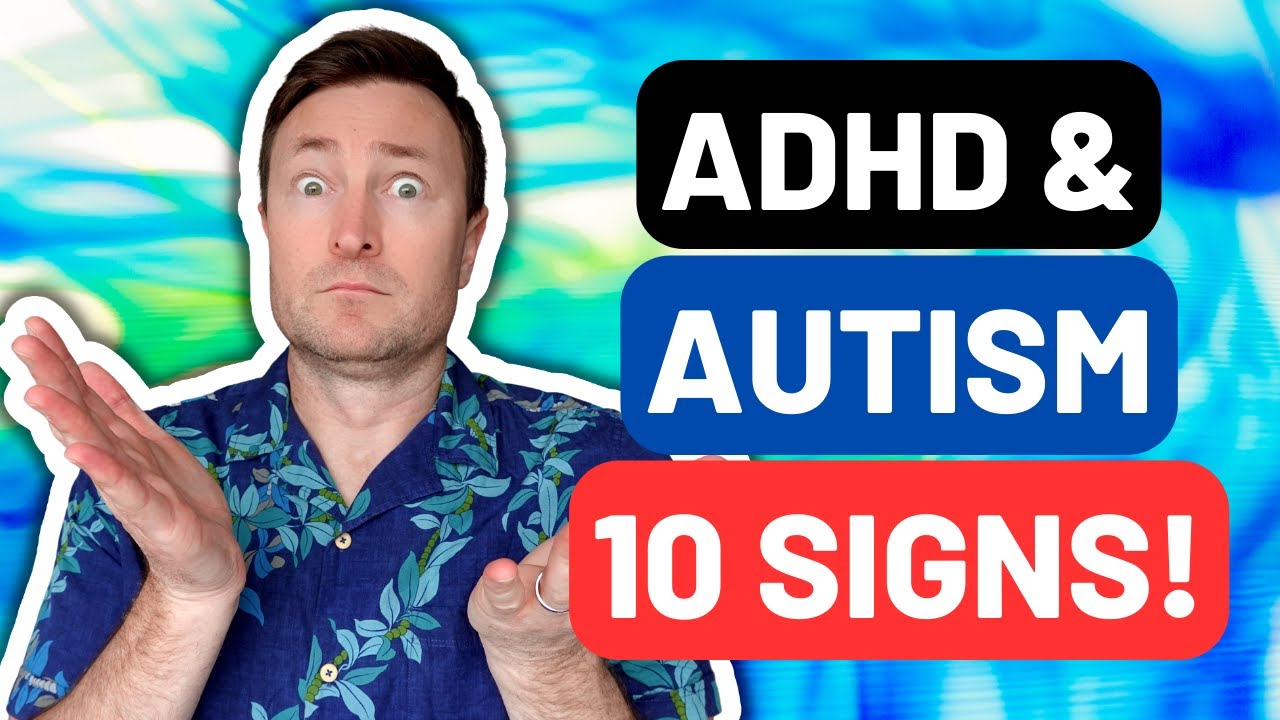
Overlapping Autism and ADHD Symptoms in Adults
Some traits appear in both conditions. These overlaps can make diagnosis more complex.
Examples include:
Difficulty with Attention
Adults with autism or ADHD may both experience attention challenges, though the underlying reasons may differ.
Executive Function Challenges
Both conditions can affect:
- planning
- organization
- task completion
- decision-making
Social Difficulties
Adults with autism may have difficulty understanding social cues. Adults with ADHD may struggle with interrupting or maintaining focus during conversations. These overlapping traits are part of autism and ADHD symptoms in adults.
Key Differences Between Autism and ADHD
Although there is overlap, differences exist.
Social Communication
Autism often involves difficulty understanding social cues and nonverbal communication. ADHD may involve impulsive communication rather than difficulty understanding social context.
Behavioral Patterns
Autism is often associated with routine and predictability. ADHD is often associated with variability and difficulty maintaining routines.
Sensory Processing
Sensory sensitivities are more commonly associated with autism. Understanding these differences helps clarify Autism and ADHD Symptoms in Adults.
Executive Function and Daily Life
Executive function refers to cognitive processes used for planning, organizing, and completing tasks. Both autism and ADHD can affect executive function.
Challenges may include:
- managing time
- prioritizing tasks
- maintaining focus
- adapting to changes
Executive functioning plays a central role in autism and ADHD symptoms in adults.
Case Example: Co-Occurring Symptoms
Research examining adults with both autism and ADHD has shown that individuals may experience combined challenges in attention, communication, and executive functioning.
One study found that adults with both conditions often require support strategies that address both sets of symptoms. This highlights the importance of understanding autism and ADHD symptoms in adults together.
Diagnosis of Autism and ADHD in Adults
Diagnosis in adulthood often involves:
- clinical interviews
- developmental history
- behavioral assessments
- standardized diagnostic tools
Because symptoms overlap, clinicians carefully evaluate patterns across different areas. Accurate diagnosis is important when understanding autism and ADHD symptoms in adults.
How Symptoms Affect Daily Functioning
Both conditions can affect daily life in several ways.
Examples include:
- workplace challenges
- difficulties with organization
- social interaction differences
- managing responsibilities
The impact varies depending on the individual and available support. These functional differences are part of autism and ADHD symptoms in adults.
Behavioral and Skill-Based Support Strategies
Support strategies often focus on skill development.
These may include:
- structured routines
- task organization systems
- communication strategies
- behavioral interventions
Applied Behavior Analysis (ABA) may be used to support skill development related to communication and behavior. ABA focuses on observable behavior and measurable progress. This approach is sometimes included in plans addressing autism and ADHD symptoms in adults.
Long-Term Development and Outcomes
Research shows that adults with autism and ADHD can develop new skills over time.
Outcomes are influenced by:
- access to support
- skill development opportunities
- environmental structure
- intervention strategies
Many individuals continue to build independence and adaptive skills across adulthood. These findings help explain long-term patterns in autism and ADHD symptoms in adults.
Monitoring Progress and Support Needs
Professionals often track progress using measurable data.
This may include:
- task completion rates
- communication improvements
- organizational skills
- adaptive behavior
Tracking helps adjust support strategies and improve outcomes. Monitoring is an important part of understanding autism and ADHD symptoms in adults.
Conclusion
Autism and ADHD symptoms in adults often overlap, but each condition has distinct characteristics. Research shows that co-occurrence is common, and both conditions can affect attention, communication, and executive functioning. Understanding these patterns helps guide accurate diagnosis and effective support strategies. Behavioral approaches, structured routines, and skill-based interventions can support individuals in daily functioning.
At Epic Minds Therapy, clinicians use evidence-based approaches to support communication, behavior, and adaptive skills across different age groups. Individuals and families seeking to better understand autism and ADHD symptoms in adults can contact Epic Minds Therapy to schedule a consultation and explore personalized support options.
FAQs
What are Autism and ADHD symptoms in adults?
They include differences in attention, communication, executive function, and behavior patterns.
Can autism and ADHD occur together?
Yes. Research shows that co-occurrence between autism and ADHD is common.
How are autism and ADHD different?
Autism often affects social communication and routines, while ADHD affects attention and impulsivity.
How are these conditions diagnosed in adults?
Diagnosis involves clinical evaluation, history, and standardized assessment tools.
Can adults develop skills over time?
Yes. Research shows that individuals can continue developing skills with appropriate support.
Sources
- https://www.nhs.uk/conditions/attention-deficit-hyperactivity-disorder-adhd/
- https://www.nationalgeographic.com/health/article/what-is-audhd-adhd-autism-overlap-adults
- https://www.nimh.nih.gov/health/topics/autism-spectrum-disorders-asd
- https://www.cdc.gov/adhd/about/index.html
- https://www.autism.org.uk/advice-and-guidance/topics/behaviour/stimming/all-audiences
- https://pmc.ncbi.nlm.nih.gov/articles/PMC3086654/
- https://educationonline.ku.edu/community/social-difficulties-in-autism-spectrum-disorder
- https://www.adhdcentre.co.uk/where-do-adhd-and-communication-difficulties-in-adults-overlap/