




ABA Therapy
Applied Behavior Analysis (ABA) is often misunderstood when it comes to “punishment.” Many parents wonder: Does ABA therapy use punishment? Is it harsh? The truth is more nuanced. ABA does include punishment as a possible technique, but it is not the main strategy and is used under strict ethical controls.
Understanding what the term actually means in a clinical context — versus what it sounds like in everyday language — can help families make informed, confident decisions about their child’s care.
What “Punishment” Means in ABA
“Punishment” in ABA doesn’t mean what most people assume. In behavior analysis, it’s a technical term describing any consequence that reduces the chance of a behavior happening again — not a synonym for harsh discipline.
There are two technical types:
- Positive punishment — adding something unpleasant right after a behavior to reduce that behavior (for example, a brief verbal reprimand).
- Negative punishment — removing something pleasant following a behavior (for example, briefly taking away a preferred toy or pausing a fun activity).
Importantly, punishment in ABA is defined by whether the behavior actually decreases. If the consequence doesn’t reduce the behavior, it doesn’t qualify as “punishment” in the technical sense — regardless of how it felt to the child.
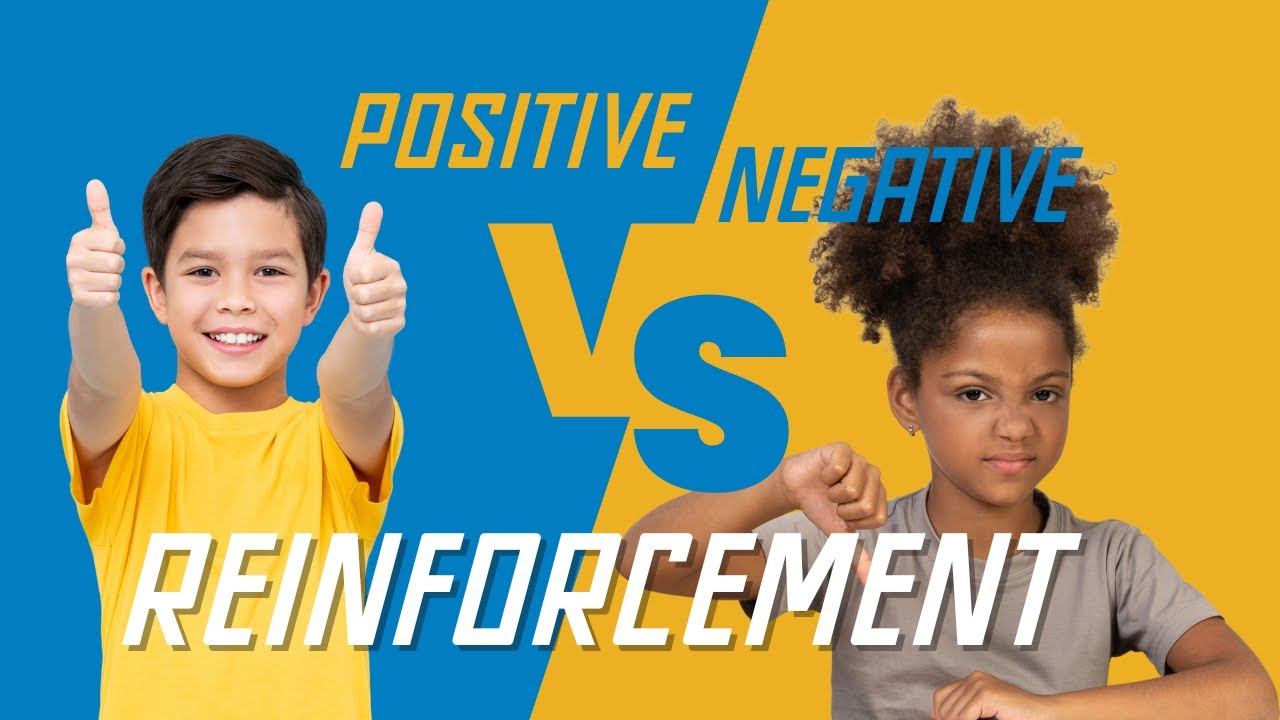
Common Misconceptions and What Research Says
| Misconception | Reality |
| ABA uses punishment frequently or as its main tool. | No. Modern ABA strongly emphasizes positive reinforcement — rewarding desired behaviors — as the core strategy. Punishment is used only rarely, and typically only after other strategies haven’t worked. |
| Punishment means physical or harsh treatment. | Not in ethical ABA. Today’s guidelines steer practice firmly away from aversives. Most “punishment” in contemporary practice is non-physical — brief timeouts, removing a privilege, planned ignoring, or response cost (a small loss of a previously earned reward). |
| Punishment overshadows learning skills or emotional well-being. | The opposite. Any punishment-based step is paired with reinforcement of replacement behaviors. The goal is always to teach the child a more helpful skill, not to suppress them emotionally. |
| Punishment is outdated and never used anymore. | Older ABA programs sometimes used aversive or punishment-heavy methods. Ethical codes, research, and practice have pushed ABA toward reinforcement-first, less restrictive approaches. Punishment is rare today, and only used under strict guidelines. |
| Punishment works the same for every child. | ABA is individualized. What functions as a consequence varies child to child, which is why every plan is built around a specific child’s behavior, history, and needs. |
Why This Matters for Parents
Understanding how punishment actually works in ABA does three important things:
It helps parents evaluate providers more fairly. You can ask any prospective provider how they use punishment, how often, and what safeguards are in place — and you’ll know what a thoughtful answer sounds like.
It reduces fear and stigma around seeking ABA services. Knowing that punishment is not the foundation of modern practice can help families trust the process.
It supports advocacy. Parents who understand the principles can push for ethical, least-restrictive approaches that reinforce their child’s strengths first.
How Modern ABA Uses Punishment Carefully
When punishment-based strategies are even considered in a treatment plan, several safeguards are typically in place:
- The team tries multiple reinforcement-based strategies first.
- Punishment is considered only when a behavior is dangerous, severely interfering with learning, or hasn’t responded to other interventions.
- The strategy chosen is mild, ethical, and proportionate to the situation — never physical or aversive.
- It’s always combined with teaching a replacement behavior — what the child should do instead to get the same need met.
- Outcomes are reviewed regularly. The team checks that the target behavior is decreasing and that the child’s emotional well-being is intact.
Behind all of this sits a clear principle: ABA includes punishment in its technical toolkit, but it is not the heart of how modern, ethical ABA works. The focus is overwhelmingly on positive reinforcement, teaching new skills, and helping children grow in supportive environments.
For families weighing whether ABA is the right fit at all, our overview of ABA therapy ethics and how it has evolved is a useful next read.
Conclusion
The word “punishment” carries a lot of weight in everyday language — but in ABA, it’s a technical term describing any consequence that reduces a specific behavior. Modern, ethical ABA leans heavily on positive reinforcement, builds skills children can actually use, and treats punishment-based strategies as a rare, carefully-controlled last resort rather than a core tool.
At Epic Minds Therapy, we believe children learn best through encouragement, not fear. Our ABA services across North Carolina — serving families in Raleigh, Charlotte, Durham, Greensboro, Fayetteville, and surrounding communities — are rooted in positive reinforcement and individualized care.
We offer in-home ABA therapy to build skills where daily routines actually happen, and school-based ABA to support children in academic settings. If you’re looking for a provider that prioritizes compassion, growth, and your child’s well-being, contact Epic Minds Therapy today to learn how we can support your family’s journey.
Frequently Asked Questions
Does ABA therapy use punishment?
Modern ABA primarily uses positive reinforcement. Punishment may be used, but only rarely, and under strict ethical guidelines designed to protect the child’s safety and well-being.
Is punishment in ABA harmful to children?
No. Punishment in ethical ABA does not mean physical or harsh methods. It involves mild, non-aversive strategies like briefly removing a preferred item, planned ignoring, or response cost — always paired with teaching a positive replacement behavior.
Why does ABA include punishment at all?
Because some behaviors are dangerous or seriously disruptive, and reinforcement alone may not be enough to reduce them quickly. When punishment-based strategies are considered, they’re used carefully, alongside reinforcement, and only when other approaches have been tried first.
How can I tell if a provider uses ethical ABA?
Ask three questions: How often do you use punishment-based strategies? What does your team try first? And how do you measure whether a child’s emotional well-being is being protected? A good provider will answer all three clearly and won’t be defensive about the conversation.
Sources:
- https://pmc.ncbi.nlm.nih.gov/articles/PMC1224409/
- https://psycnet.apa.org/record/2009-04078-006
- https://journals.sagepub.com/doi/10.1177/01454455241262414
- https://www.autismspeaks.org/applied-behavior-analysis
- https://www.appliedbehavioranalysisedu.org/what-is-reinforcement-and-why-is-it-important-in-aba/