



autism

The most effective calming tools for autism are the ones matched to a child’s specific sensory profile — deep-pressure tools like weighted blankets and lap pads for proprioceptive input, chewable jewelry for oral-motor needs, noise-canceling headphones for auditory sensitivity, tangles and fidget cubes for tactile regulation, and visual tools like bubble tubes for low-arousal soothing. No single tool works for every child. The list below covers 15 well-established options used across occupational therapy, ABA, and home routines, with the clinical reasoning, rough price ranges, and usage tips a therapist would actually give you.
An Honest Introduction to Calming Tools for Autism
Every autistic child processes the world through a slightly different sensory filter. Sound, texture, light, movement, and touch can all land differently — sometimes too much, sometimes not enough. That’s where calming tools for autism come in. Also called calming sensory toys, calming tools for kids, or autism comfort items depending on who’s using them, these are supports parents, teachers, and caregivers use to help a child stay regulated, focused, and comfortable in an over-stimulating world.
This guide is for parents, caregivers, and teachers who want a plain-spoken, therapist-informed starting point. It reflects the perspective of a real ABA therapy practice — not a generic listicle. None of these tools are treatments or cures. They are supports that may help when matched thoughtfully to an individual’s sensory profile. When in doubt, an occupational therapist or BCBA can help you match the right tool to your child.
For deeper context on why sensory input matters in the first place, our guide to sensory overload in autism explains what’s happening in the nervous system and why regulation tools work.
What Are Calming Sensory Toys for Autism?
Calming sensory toys for autism are a specific subset of calming tools designed to deliver targeted sensory input through active play or handling. Unlike passive supports (weighted blankets, aromatherapy diffusers), sensory toys are things a child holds, squeezes, twists, chews, or watches — actively engaging the sensory system rather than just receiving input.
Calming sensory toys generally fall into five categories:
- Fidget toys — spinners, cubes, tangles, and rings that occupy the hands
- Squeeze toys — stress balls, squishies, and putty-based toys for tactile-proprioceptive input
- Chewable sensory toys — chewelry, chew tubes, and pencil toppers for oral-motor input
- Textured toys — sensory mats, tactile balls, kinetic sand for tactile grounding
- Visual sensory toys — bubble tubes, liquid motion timers, light-up wands for low-arousal visual input
The mechanism is simple: predictable, low-demand sensory feedback helps the nervous system settle. A 2020 systematic review in the American Journal of Occupational Therapy noted potential benefits of sensory-based interventions for reducing anxiety, though the evidence varies by tool type.
The best calming sensory toys aren’t the flashiest ones — they’re the ones matched to the specific sensory system your child needs to regulate. That’s what the next section is about.
How to Choose the Right Calming Tool for Your Child
Before scanning the list of 15 tools, it helps to know what you’re solving for. Sensory needs generally fall into a few categories, and most autistic tools work best when matched to the right one.
Visual seekers — soothed by rhythmic visual input. Best matches: bubble tubes, liquid motion timers, light-up toys with slow color change.
Proprioceptive seekers need input from muscles and joints — deep pressure, heavy work, weighted objects. Best matches: weighted blankets, lap pads, compression tools, massage rollers.
Tactile needs (seeking or avoiding) — some kids crave textures; others avoid them. Best matches: sensory mats, therapeutic sand, tangles, textured stress balls.
Vestibular / movement seekers — need swinging, spinning, rocking. Best matches: (outside this list — swings, rockers) plus movement-based fidgets.
Auditory sensitivity — sounds are too loud, too sharp, or too much. Best matches: noise-canceling headphones, loop earplugs.
Oral-motor needs — chews, mouths, or bites for regulation. Best matches: chewable jewelry, chew pencil toppers, crunchy snacks.
The other axis is setting: home, car, classroom, waiting rooms, meltdowns. A tool that works at bedtime may not work at recess. Most families end up building a small “toolkit” of two to four items that cover different settings.
For a broader framework, our post on autism and sensory diets walks through how therapists organize sensory input into a daily plan.
Calming Tools for Autism: At a Glance
| # | Tool | Best for (sensory need) | Setting | Approx. Price |
|---|---|---|---|---|
| 1 | Fidget Spinners | Tactile / focus | Home, school, travel | $5–$15 |
| 2 | Weighted Blankets | Proprioceptive | Bedtime, downtime | $30–$100 |
| 3 | Noise-Canceling Headphones | Auditory | School, travel, public | $25–$300 |
| 4 | Chewable Jewelry | Oral-motor | School, home | $10–$25 |
| 5 | Stress Balls | Tactile / focus | Home, school, desk | $3–$15 |
| 6 | Tangle Toys | Tactile / focus | School, travel | $5–$15 |
| 7 | Sensory Mats | Tactile / grounding | Sensory room, home | $10–$50 |
| 8 | Fidget Cubes | Tactile / focus | School, desk | $8–$20 |
| 9 | Bubble Tubes | Visual | Sensory room, bedroom | $60–$400 |
| 10 | Therapeutic Sand (Kinetic) | Tactile | Home, therapy | $6–$25 |
| 11 | Aromatherapy Diffusers | Olfactory (calming) | Home, bedroom | $20–$60 |
| 12 | Light-Up Toys | Visual | Home, bedtime | $10–$40 |
| 13 | Huggable Stuffed Animals | Comfort / tactile | Bedtime, travel | $15–$60 |
| 14 | Massage Tools | Proprioceptive | Home | $15–$50 |
| 15 | Coloring Books & Markers | Visual-motor / focus | Home, waiting rooms | $10–$25 |
1. Fidget Spinners
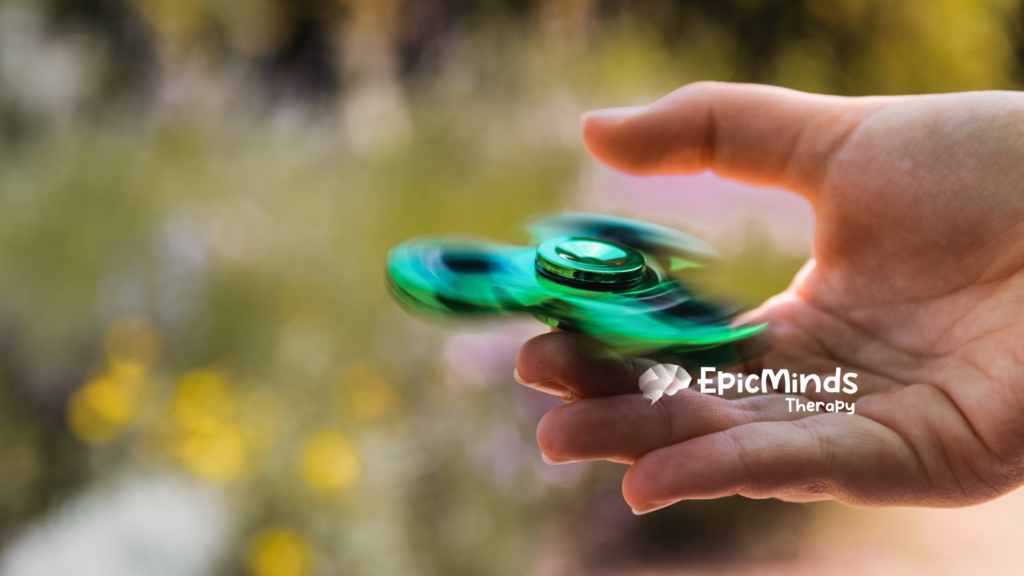
Fidget spinners are small, weighted rotating toys designed to keep the hands and fingers occupied. In autism and sensory processing terms, they provide low-demand tactile and vestibular-adjacent input, which some children find organizing when they need to focus or discharge nervous energy.
Best for kids who fidget with objects during listening tasks and lose focus when their hands are still. Common price range: $5–$15 for a basic metal or plastic spinner. Best used at a desk or during passive listening time — many teachers ask them to be pocketed during interactive lessons.
2. Weighted Blankets

Weighted blankets deliver deep pressure stimulation (DPS) — a firm, evenly distributed pressure across the body that mimics a hug or being swaddled. According to a 2020 systematic review published in AJOT, weighted blankets show potential benefits for reducing anxiety in various populations, though evidence for sleep is more mixed.
Clinically, DPS is thought to activate the parasympathetic nervous system and support regulation of serotonin and cortisol — the mechanisms behind that “calmed nervous system” feeling many families describe.
Common price range: $30–$100. The widely referenced weight guideline is roughly 10% of the child’s body weight (some occupational therapists use “10% plus 1–2 pounds”). Safety notes: not recommended for children under two, for children who cannot remove the blanket independently, or for children with respiratory or circulation conditions. Talk to your child’s OT or pediatrician first.
3. Noise-Canceling Headphones
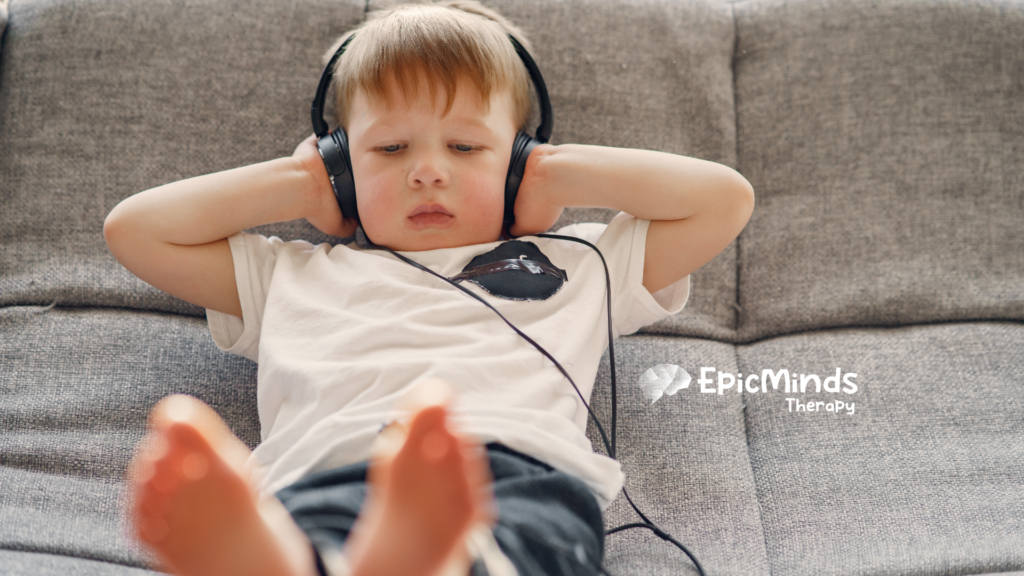
For children with auditory sensitivity, ambient noise — HVAC systems, cafeteria echo, fluorescent light hum, sirens — can drive rapid escalation into sensory overload. Noise-canceling headphones dampen or block that input.
There are two main categories: passive ear defenders (foam-cushioned earmuffs, $15–$40) that block sound mechanically, and active noise-canceling headphones ($100–$300) that use technology to cancel low-frequency ambient noise. Discreet options like Loop earplugs ($25–$40) are increasingly popular for older kids and teens who don’t want the visible bulk.
Best for cafeterias, assemblies, grocery stores, airports, and long car rides. For more on this specific sensory profile, see our post on tactile and sensory sensitivity.
4. Chewable Jewelry (Chewelry)

Chewable jewelry gives kids with oral-motor needs a safe outlet for chewing — the alternative being shirt collars, sleeves, pencils, fingernails, or hair. The rhythmic motion of chewing provides oral-motor and proprioceptive input to the jaw, which is often calming and organizing.
Look for 100% food-grade silicone, BPA-free, phthalate-free, and lead-free construction, with a breakaway clasp to prevent choking hazards. Brands like ARK label firmness in tiers (standard, firm, very firm) so you can match to how hard the child chews — a soft chewy on an aggressive chewer becomes a choking risk once bitten through.
Common price range: $10–$25. Best for school, therapy sessions, and quiet-focus time. Always supervise, and inspect regularly for wear.
5. Stress Balls
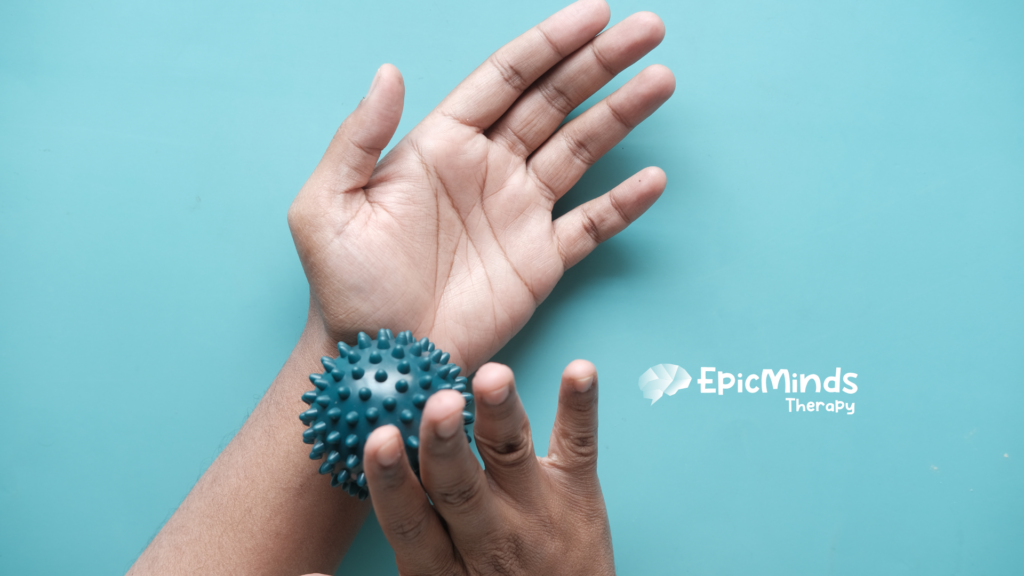
Stress balls are small, squeezable balls that provide proprioceptive input through the hands. Squeezing engages the muscles and joints of the hand, which some children find grounding during moments of anxiety or restlessness.
Textured varieties (spiky, gel-filled, dough-filled) add a tactile dimension. Price range: $3–$15 for a decent quality ball. Best kept in a backpack, desk drawer, or car for on-demand use. A quiet, no-tech tool that works across ages — one of the more affordable calming toys for autism to have in rotation.
6. Tangle Toys
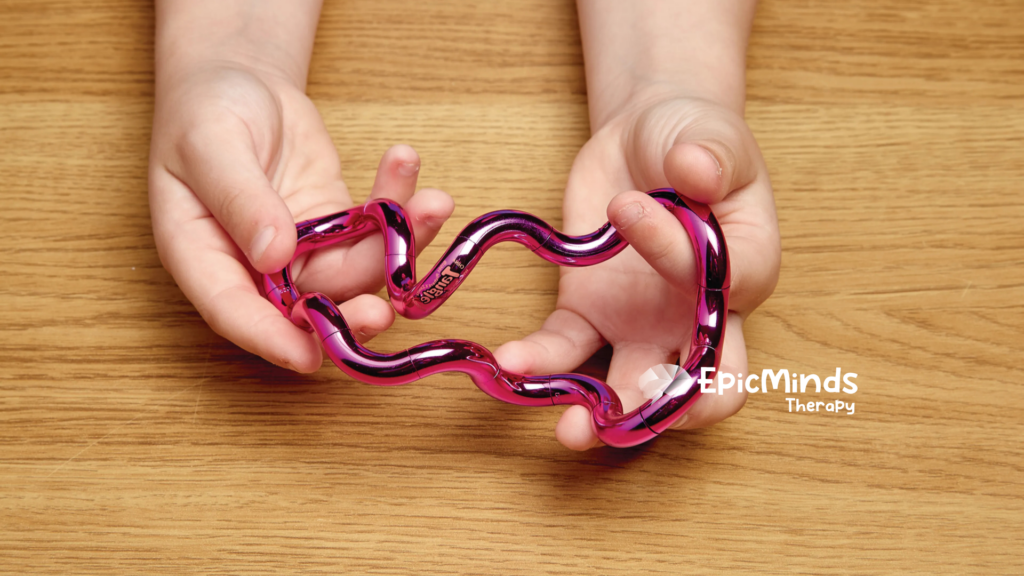
A tangle is a twistable, interlocking chain of curved plastic segments that pivots endlessly in the hands. Silent, pocket-sized, and socially discreet — three qualities that make it a favorite for classrooms.
The manipulation provides fine-motor and tactile input. Textured tangle versions add bumpy or ridged surfaces for extra sensory feedback. Price range: $5–$15. Best used during listening tasks, meetings, therapy sessions, or moments when a child needs to occupy hands without visual distraction. Also popular among autistic adults for the same reason.
7. Sensory Mats
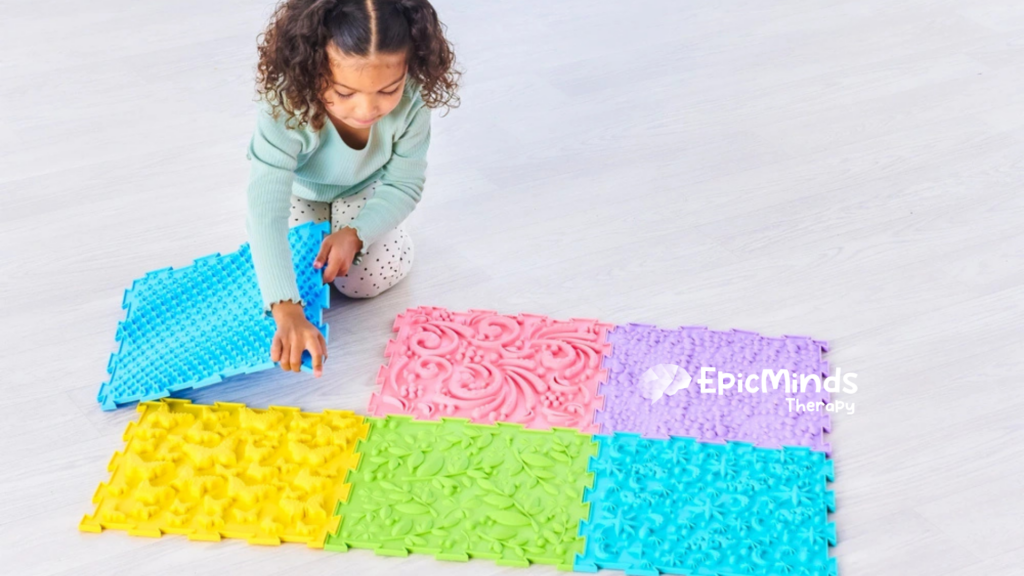
Sensory mats are textured surfaces — bumpy, spiky, ridged, or soft — used for tactile input through hands or feet. In sensory rooms and calming corners, they’re often used as a “grounding” tool: standing barefoot on a textured mat, or running hands across it, can help re-orient a dysregulated child.
Common formats include foam puzzle mats with different textures per tile ($20–$50) and small handheld textured pads ($10–$20). Best for home sensory corners, occupational therapy sessions, and structured calming routines.
8. Fidget Cubes
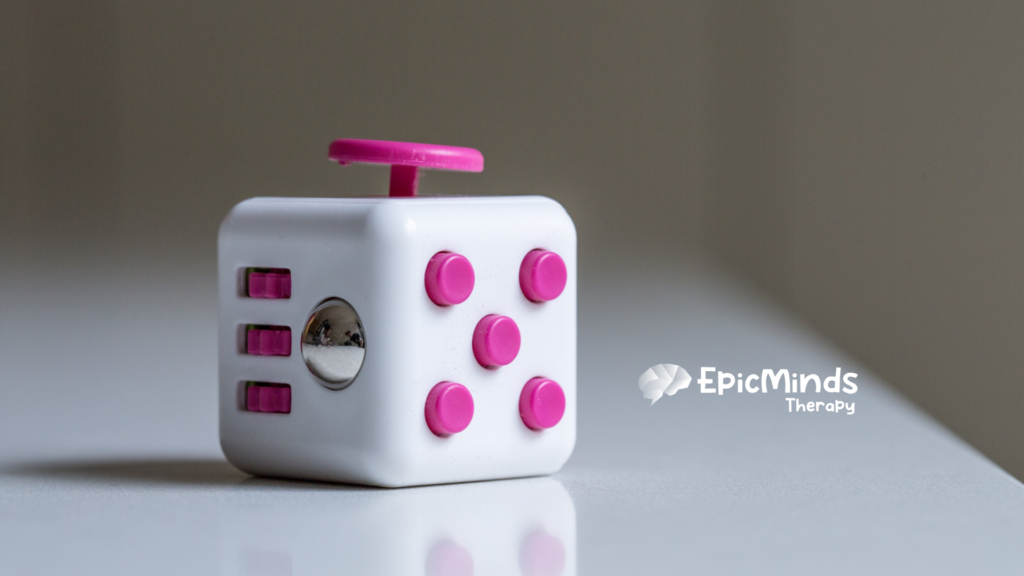
A fidget cube is a small handheld cube with a different tactile feature on each of its six sides — buttons to click, wheels to roll, switches to flip, a joystick, and a smooth pad. The variety keeps kids engaged longer than a single-mode fidget.
Price range: $8–$20. Some newer variants (fidget slides, snake cubes) offer similar variety in different shapes. Best for classrooms, therapy waiting rooms, and desk work. The click buttons on classic cubes can be noisy — silent versions exist for quiet environments.
9. Bubble Tubes
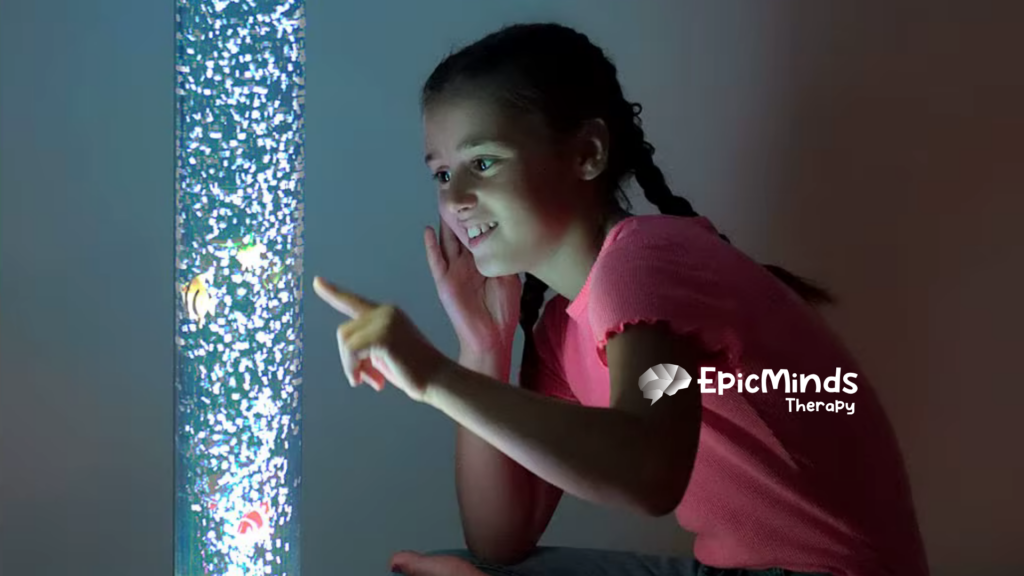
Bubble tubes are clear vertical tubes filled with water, illuminated with color-changing LEDs, that produce a steady stream of rising bubbles. The slow, rhythmic visual pattern is a form of low-arousal visual input that many children find deeply calming.
Common in sensory rooms, calming corners, and therapy spaces. Price range varies widely: small tabletop tubes $60–$150, larger floor-standing tubes $200–$400+. Best used in bedrooms as a bedtime cue, in calming corners as a “cool down” anchor, or in dedicated sensory spaces.
10. Therapeutic Sand (Kinetic Sand)

Kinetic sand is a moldable, low-mess sand that provides rich tactile input. Squeezing, cutting, and molding the sand engages fine-motor and tactile pathways simultaneously.
Price range: $6–$25 for a starter box; larger sets with molds run $25–$60. Best used in a shallow tray on a hard surface (much easier cleanup than traditional sand). Great for structured play time, decompression after school, or as part of a home sensory diet. Safety note: not appropriate for children who mouth objects.
11. Aromatherapy Diffusers
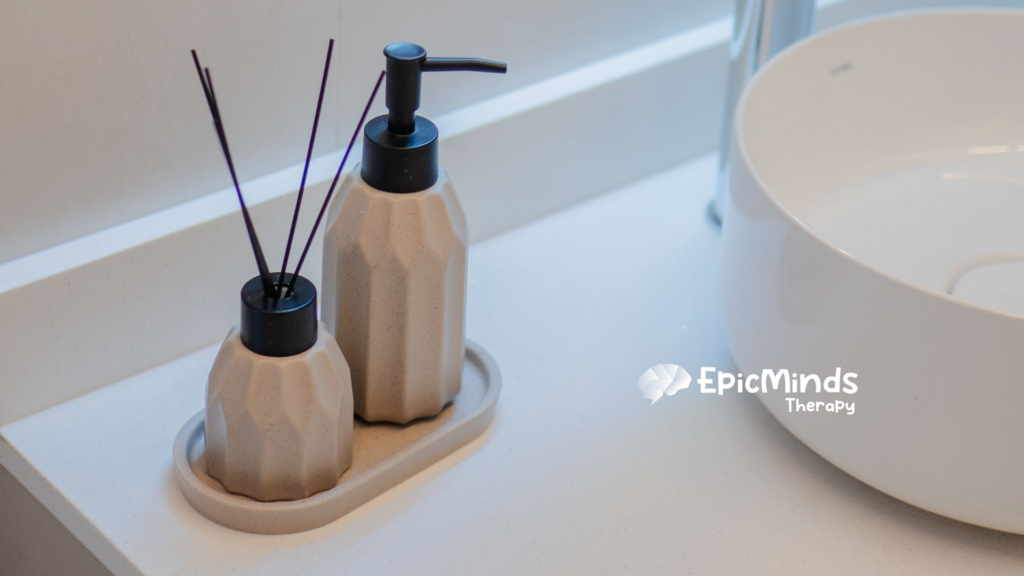
Aromatherapy diffusers release small amounts of essential oil into the air. Certain scents — lavender and chamomile are the most commonly referenced — are widely used as part of calming bedtime routines.
Price range: $20–$60 for the diffuser, plus $8–$15 per oil. Best used in bedrooms during wind-down routines rather than in a child’s immediate face. Important safety note: many autistic kids have olfactory sensitivities, and a scent that soothes one child may be a full meltdown trigger for another. Introduce very gradually, one scent at a time, and stop immediately if the child shows aversion. Certain essential oils are also unsafe near young children or pets — check the specific oil’s safety guidance.
12. Light-Up Toys
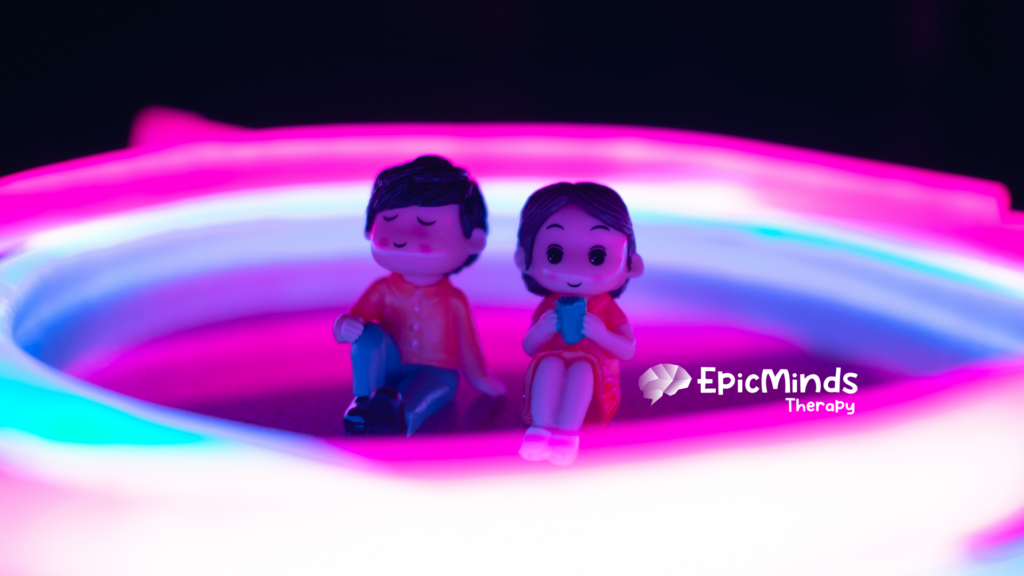
Light-up toys provide gentle, slow-changing visual input. Options range from color-cycling projectors that cast starfields on a ceiling to fiber-optic wands, glowing sensory balls, and liquid motion timers.
The best calming light-up toys are those with slow, predictable color transitions — not flashing or strobing, which can be over-stimulating or trigger sensory overload. Price range: $10–$40. Best used in dim rooms during transitions, wind-down time, or in a calming corner.
13. Huggable Stuffed Animals
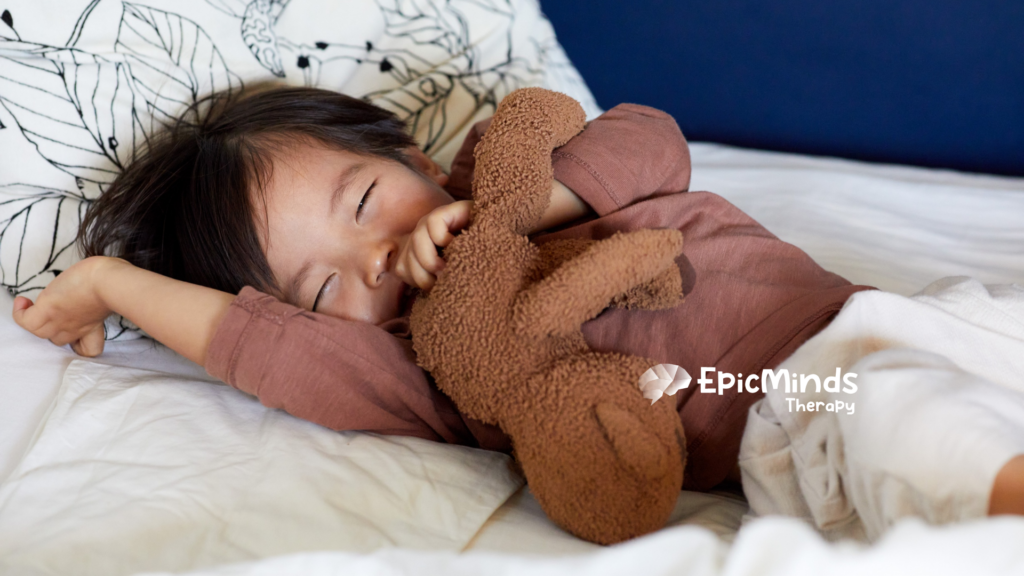
A large, soft, huggable stuffed animal is one of the most enduring autism comfort items — cheap by therapeutic-tool standards, highly portable, and often outlasts the child’s other sensory tools. Weighted stuffed animals (2–5 lb) combine deep-pressure input with comfort, useful for kids who benefit from proprioceptive input but resist a full blanket.
Price range: standard plush $15–$40; weighted plush $25–$60. Best for bedtime, car rides, hospital visits, waiting rooms, and any high-anxiety transition. Not just for young children — teens and autistic adults use them too.
14. Massage Tools
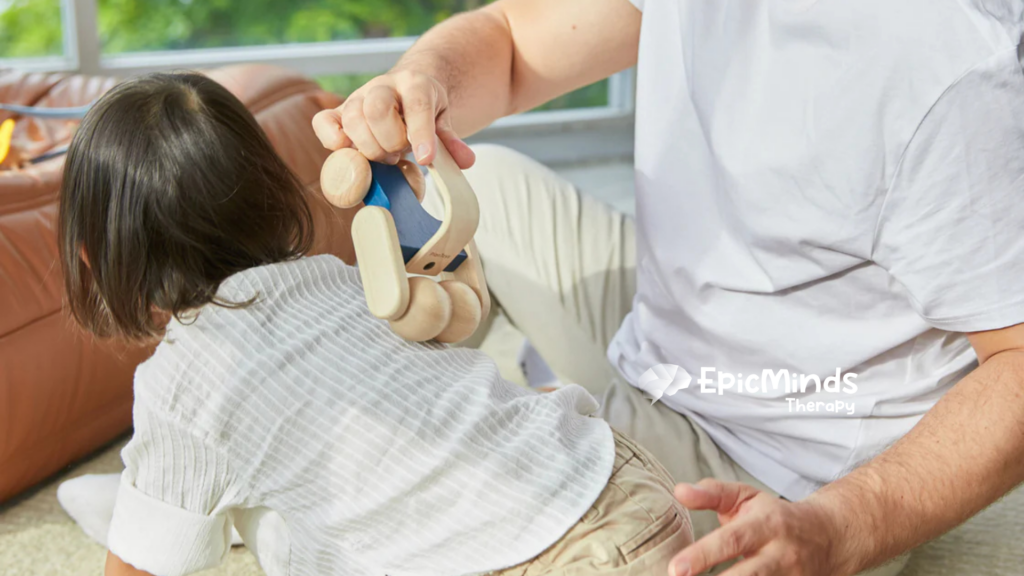
Handheld massage tools — rolling ball massagers, textured massage brushes, vibrating handheld massagers — provide deep-pressure and tactile input on demand. Vibration adds a further layer of proprioceptive input that some children find highly regulating.
Common formats include manual rolling massagers ($15–$30), sensory brushes used in the Wilbarger Protocol (should be used only under OT guidance), and vibrating massagers ($20–$50). Best used briefly, before demanding tasks or during wind-down. Safety note: vibration tools can be over-stimulating for kids with tactile defensiveness; start with the lowest setting and short intervals.
15. Coloring Books and Markers
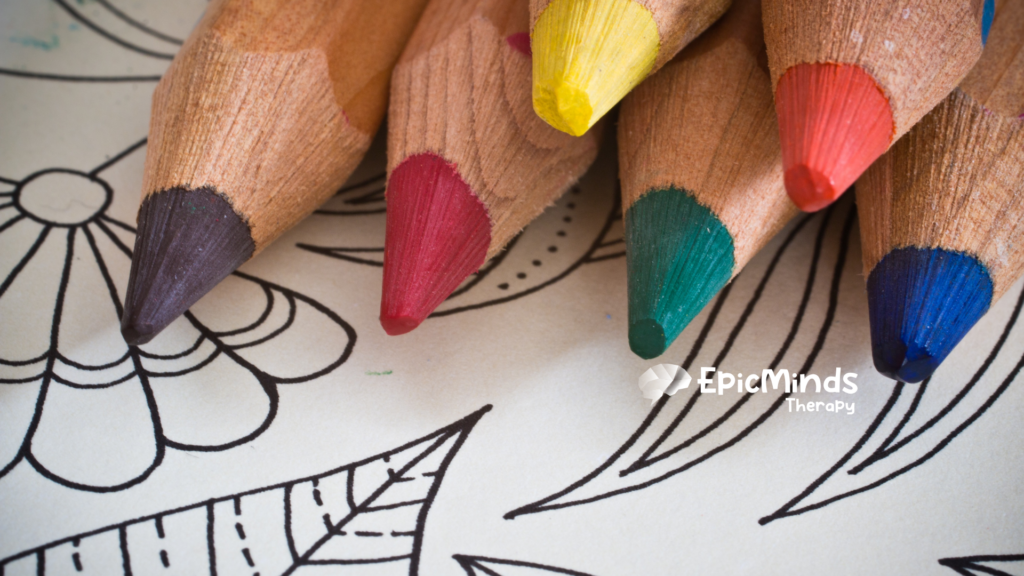
Coloring engages visual-motor coordination and requires sustained low-demand focus — a combination that’s naturally regulating for many children. Structured coloring pages (mandalas, patterns) are especially effective for calming, as the repetitive nature is meditative.
Price range: $10–$25 for a coloring book plus a set of markers or colored pencils. Best used in waiting rooms, during transitions, after school, or as part of a bedtime routine. A go-to option in any traveling calming kit — light, quiet, and no batteries required.
Calming Tools for Autistic Adults
Almost every tool on this list carries over into adulthood — the sensory needs don’t disappear at 18. In practice, autistic adults often gravitate toward the discreet end of each category: silent fidget cubes and rings, small tangles, low-profile chewelry that reads as regular jewelry, weighted lap pads for the desk, Loop earplugs instead of over-ear headphones, and pocket-sized aromatherapy inhalers instead of full diffusers. The calming principle is identical; the packaging just gets more workplace-friendly.
How Calming Tools Fit Into ABA and Daily Life
Calming tools work best when they’re part of a broader plan — not standalone objects hoping to fix a meltdown after it’s already started. A BCBA can help identify the child’s specific sensory profile, teach the child (and family) when and how to use each tool, and build regulation strategies into everyday routines: the school day, the drive home, the wind-down before bed.
That’s how these tools go from “things in a bin” to genuine self-regulation supports. For families new to ABA, our What Is Autism guide for parents walks through the basics of how ABA for kids supports skill-building across sensory, communication, and behavioral goals.
Match the Right Tool to Your Child’s Sensory Profile
Every child on the spectrum has their own sensory story. The tools above are the well-tested ones — but the real work is figuring out which ones fit your child’s profile, where to use them, and how to weave them into daily life so regulation stops being a fire drill and starts being a routine.
That’s exactly the kind of match-making our team does every day. Epic Minds Therapy provides comprehensive ABA services across North Carolina — including in-home ABA therapy that meets your child where they live, school-based ABA therapy that coordinates with teachers and IEP teams, and center-based support. We serve families across North Carolina, including Raleigh, Charlotte, Fayetteville, Greensboro, Asheville, Monroe, and Waxhaw.
If you’re ready to move past guessing and into a real plan, get in touch with our team — we’ll help you match the right tools to your child’s sensory profile and build the routines that make them stick.
Frequently Asked Questions
What are calming tools for autism and why are they helpful? Calming tools for autism are sensory supports — objects, toys, or textiles — that help autistic kids and adults regulate sensory input, focus, or emotional state. They work by providing predictable sensory feedback (deep pressure, tactile, oral, visual, or auditory input) that helps the nervous system settle.
How do I choose the right calming tool for my child? Start with the sensory need — is your child seeking or avoiding input, and in which sensory system (proprioceptive, tactile, auditory, oral, visual)? Then match to the setting where they’ll use it. Trial one tool at a time. An occupational therapist or BCBA can help match tools to your child’s specific sensory profile.
Can calming tools be used at school or only at home? Both. Many are designed specifically for school — silent tangles, fidget cubes, chewelry that looks like jewelry, discreet noise-canceling earbuds. Some schools require a note from a therapist or a mention in the IEP or 504 plan, which is worth arranging in advance.
Are there calming tools that don’t require equipment? Yes. Deep-breathing exercises, “heavy work” activities (pushing, pulling, carrying), squeezing hands together, wall push-ups, humming, and body scans all provide regulating input without any object. These are especially useful when a physical tool isn’t practical.
How do I teach my child to use a calming tool independently? Model the tool first, practice during calm moments (not during meltdowns), pair the tool with a consistent visual or verbal cue, and gradually reduce prompting. Independence usually comes from repetition in low-stakes moments — not from introducing a new tool during a crisis.
What’s the difference between a fidget and a calming tool? A fidget is typically used for focus and attention — a low-demand tactile object that helps regulate excess energy while doing something else. A calming tool has a broader function: reducing sensory overload, supporting emotional regulation, or aiding wind-down. Many objects (tangles, fidget cubes) work as both. The difference is often intent and setting, not the object itself.
Are calming tools covered by insurance or ABA therapy? Some sensory tools are covered when prescribed by a licensed occupational therapist and billed under specific therapy codes. Coverage varies significantly by insurance plan and state. Many families find their ABA and OT providers can advise on which items may be eligible for FSA or HSA reimbursement.
At what age can my child start using calming tools? Many tools — soft comfort items, gentle textures, simple visuals — are appropriate from toddlerhood. Weighted blankets and small chewable or fidget items have specific age restrictions (typically age 2 or 3 and up, depending on the item). Always follow the manufacturer’s age guidance, supervise use for younger children, and check with your pediatrician or OT before introducing weighted products to a child under 3.
Do calming tools help on an ABA first day or new therapy session? They can. Bringing a familiar calming tool to an ABA first day can lower anxiety around the new environment, new adults, and new expectations. Your BCBA will usually be happy to incorporate it into the session plan.
Sources:
Sources Used
- https://research.aota.org/ajot/article-abstract/74/2/7402205010p1/6662/Weighted-Blanket-Use-A-Systematic-Review
- https://psychcentral.com/autism/weighted-blankets-and-autism
- https://epicmindstherapy.com/blog/tactile-sensitivity/
- https://nationalautismresources.com/blog/how-much-weight-should-your-weighted-blanket-have/
- https://deeppressurestimulation.com/autism/
- https://www.advancedautism.com/post/weighted-blankets-for-autism
- https://nationalautismresources.com/autism-toys
- https://www.autismspeaks.org/blog/ten-toys-and-games-autistic-toddlers-and-children
- https://www.autismparentingmagazine.com/best-autism-toys/
- https://www.autismparentingmagazine.com/fidget-toys-to-relieve-stress-anxiety
- https://www.autismparentingmagazine.com/choosing-noise-canceling-headphones