

Blog

Stimming (self-stimulatory behavior) means repetitive movements, sounds or actions, like hand flapping, rocking, humming, or rubbing a texture, that help a person regulate their senses, emotions, and focus. Everyone stims a little. In autism, stimming tends to happen more often, more visibly, and for reasons tied to how the autistic brain processes the world.
Hand flapping at the dinner table. Humming through math homework. Rocking in front of a favorite show. To an outsider, these moments can look unusual. To an autistic child, they often feel like coming up for air. This guide explains what stimming is, the most common types, what causes it, and when ABA therapy support makes sense for a family.
What Is Stimming? Autism Stimming, Defined
Stimming is short for self-stimulatory behavior. It describes repetitive actions that give the body predictable sensory feedback. The behavior can involve one body part (flicking fingers), the whole body (rocking), or an object (spinning a toy). NHS autism guidance explains stimming as self-regulation, a way to manage sensory input and emotion.
The American Psychiatric Association notes that stimming often serves a real purpose, such as reducing anxiety, calming the body, or managing sensory overload. A few verified facts:
- Stimming behaviors often begin by age 3, according to the APA.
- An estimated 44% of autistic people report some type of stimming, per the same APA summary.
- Repetitive movements fall under “restricted, repetitive patterns of behavior,” one of the two core areas used in an autism diagnosis.
- Stimming is not exclusive to autism. Foot jiggling, nail biting, and hair twirling are common stims in people without autism.
Repetitive movements are also one of the early signs of autism that parents and pediatricians watch for in young children.
Examples of Stimming by Type
Clinicians often group stimming by the sense it engages. Spotting the type your child uses most is the first step toward understanding what they need. The CDC lists repetitive actions like flapping, rocking, and spinning among recognized autism behaviors.
| Type | What it looks like | Common examples |
| Visual | Seeking or controlling visual input | Watching ceiling fans or lights; side glancing at objects from the corner of the eye; repetitive blinking |
| Auditory / vocal | Making or repeating sounds | Humming; repeating words or scripts (echolalia in autism); tapping near the ears |
| Tactile / proprioceptive | Seeking touch or pressure | Rubbing fabrics; chinning, or chin pressing, against surfaces; hand flapping |
| Chinning | Pressing or resting the chin against a firm surface or a person to get steady, deep pressure | Pressing the chin on a table or hard edge, tucking the chin into a shoulder or knee, resting the chin against a caregiver |
| Vestibular | Seeking movement and balance input | Rocking; spinning; jumping or bouncing, often helped by a sensory rocking chair |
| Oral | Seeking input through the mouth | Chewing shirt collars or sleeves; mouthing objects; making repetitive mouth or tongue sounds |
A behavior counts as a stim when it repeats and serves a purpose for the person. Some behaviors fit more than one row. Hand flapping, for example, can be both tactile and visual.
What Causes Stimming in Autism?
There is rarely one cause. Most stimming comes from overlapping needs rooted in how the autistic brain handles sensory information.
1. Sensory regulation. Many autistic people experience sounds, lights, and crowds at a different “volume.” Stimming can add input when a setting feels dull or block it out during sensory overload in autism.
2. Emotional regulation. Stimming helps release big feelings, including anxiety, frustration, and joy. “Happy stimming” during excitement is common.
3. Predictability. In a 2025 study, University of Rochester researchers found that autistic adults’ brains responded to self-generated touch much as they did to touch from outside, while non-autistic brains dialed self-touch down. The researchers suggested this difference may help explain why repetitive, self-controlled movements feel grounding.
4. Focus. Some children stim to stay engaged during quiet or low-energy tasks. The rhythm helps anchor attention.
5. Reinforcement. Because stimming feels good right away, the brain learns to repeat it.
Autistic adults interviewed in a 2019 study in Autism described stimming mainly as a coping tool that soothes and helps express emotion. Many objected to efforts to stop harmless stims.
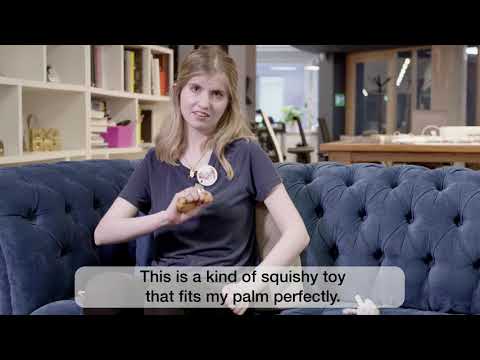
When Does Stimming Need Support?
Most autism stimming is harmless, and much of it is helpful. The Children’s Hospital of Philadelphia Research Institute notes that support is worth considering when stimming causes harm or gets in the way of daily life. Watch for stims that:
- Cause injury (head banging, biting, hard self-hitting, skin picking)
- Block learning, eating, or sleep
- Distress the child socially
- Become so constant that the child cannot engage with the world
When that happens, the goal is not to erase stimming. It is to keep the regulating benefit and reduce the harm. Evidence-based steps include:
- Find the trigger first. Note when and where the stim happens. Noise? Transitions? Boredom?
- Teach a safer replacement. A child who head-bangs when overwhelmed might push against a wall, squeeze a stress ball, or jump on a mini trampoline instead.
- Adjust the environment. Dim lights, reduce noise, offer headphones, or build a calm corner.
- Reinforce the new skill. Positive reinforcement in ABA celebrates the replacement behavior instead of punishing the original stim.
- Build self-regulation. Children can learn to notice rising overwhelm and choose a calming strategy early. Our team works on self-regulation skills in everyday routines.
Illustrative example. Picture a 5-year-old who bangs their head during transitions. A BCBA’s functional behavior assessment shows the behavior peaks when activities change without warning. The plan adds a visual schedule, a weighted lap pad for deep pressure, and a textured squeeze ball as a replacement. The child keeps a safe way to stim, and the risky behavior loses its job. For more practical ideas, see these repetitive behavior strategies for families.
If you are unsure whether your child’s stimming is autism-related at all, a formal autism assessment and diagnosis gives you a clear starting point.
Turn Understanding Into a Plan With Epic Minds
Reading about stimming is one thing. Watching your child stim every day, and not knowing whether to step in, is another. Our BCBAs and Registered Behavior Technicians work one-on-one with your child to learn why they stim, then build a plan that keeps them safe and respects how they experience the world.
We provide in-home ABA therapy, school-based support, and parent training sessions that show you exactly how to respond at home. Families across North Carolina ABA locations, plus Maryland, Alaska, New Mexico, Utah, and Colorado, can start with one conversation. Schedule a visit today and leave with answers instead of guesses.
Frequently Asked Questions
Stimming means repetitive movements, sounds, or actions, like hand flapping, rocking, or humming, that help an autistic person regulate their senses, emotions, and focus.
Stimming is usually driven by sensory regulation needs, strong emotions (positive or negative), anxiety, boredom, or the brain’s need for predictable, self-generated feedback.
No. Most stimming is harmless and helpful. It only needs support when it causes injury, blocks learning, or seriously disrupts daily life.
No, unless the stim is harmful. Safe stims are healthy regulation. Autistic adults report that being made to suppress stims feels stressful. If a stim is unsafe, a BCBA can help replace it with a safer one that meets the same need.
Not all, and not always visibly. The APA estimates that about 44% of autistic people report stimming. Some autistic people learn to hide stims in public, and quieter stims like jaw clenching are easy to miss.
Stimming behaviors often begin by age 3, according to the American Psychiatric Association. Repetitive behaviors can appear earlier and are among the first signs parents notice.
Sources:
- https://www.leicspart.nhs.uk/autism-space/health-and-lifestyle/stimming/
- https://www.psychiatry.org/news-room/apa-blogs/understand-stimming-repetitive-behaviors-purpose
- https://www.cdc.gov/autism/signs-symptoms/index.html
- https://doi.org/10.1016/j.neuroimage.2025.121215
- https://pmc.ncbi.nlm.nih.gov/articles/PMC6728747/
- https://www.research.chop.edu/car-autism-roadmap/stimming-what-is-it-and-does-it-matter