

autism
An autism diagnosis changes everything in a moment. One appointment, one report, and suddenly you’re expected to understand therapies, services, acronyms, and systems no one ever explained before.
Most parents in Fayetteville ask the same question next:
“Where do I even start?”
This guide gives you a clear answer. Not a long list of names, but what each resource actually does and how it helps your child.
Start Here: You Don’t Have to Figure Out an Autism Diagnosis Alone
Before anything else, know this:
There are real, local supports in Cumberland County. Some help you emotionally. Some guide you through systems. Some work directly with your child.
You don’t need all of them at once. You just need to know what each one is for.
1. Autism Breakfast Club (ABC): Where Parents Talk Honestly
This is one of the most underrated resources in Fayetteville.
The Autism Breakfast Club is a support group for parents of younger children. It meets twice a month at the Partnership for Children Resource Center.
What it actually does:
- Gives you real conversations with parents in the same stage
- Helps you understand what to expect next
- Shares local, practical advice you won’t find online
This is where many parents first hear things like:
- “You can request an evaluation now”
- “Here’s who I called”
- “Here’s what worked for us”
Sometimes, that’s more helpful than any handbook.
2. Autism Society of Cumberland County: The Practical Support Hub
This is one of the main local organizations supporting autism families.
They offer:
- Parent education workshops
- Resource referrals
- Support groups
- Summer developmental day camps
If you don’t know how to:
- Understand your child’s diagnosis
- Navigate school systems
- Find local services
This is one of the first places that helps you get oriented.
3. Partnership for Children Resource Center: Where Everything Connects
Think of this as a central hub. The Partnership for Children provides:
- Family resource navigation
- Early childhood programs
- Referrals to local services
It’s also where support groups like Autism Breakfast Club are held.
What parents use it for:
- Getting pointed in the right direction
- Finding programs for younger children
- Connecting with local providers faster
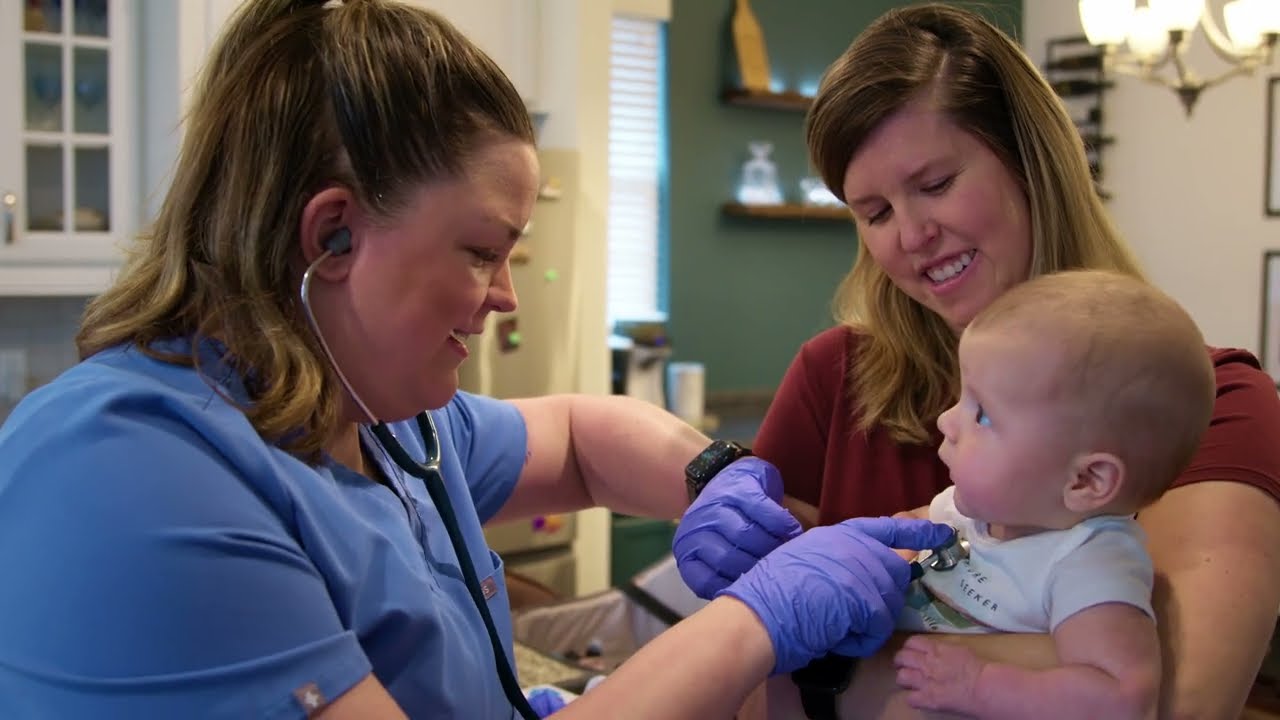
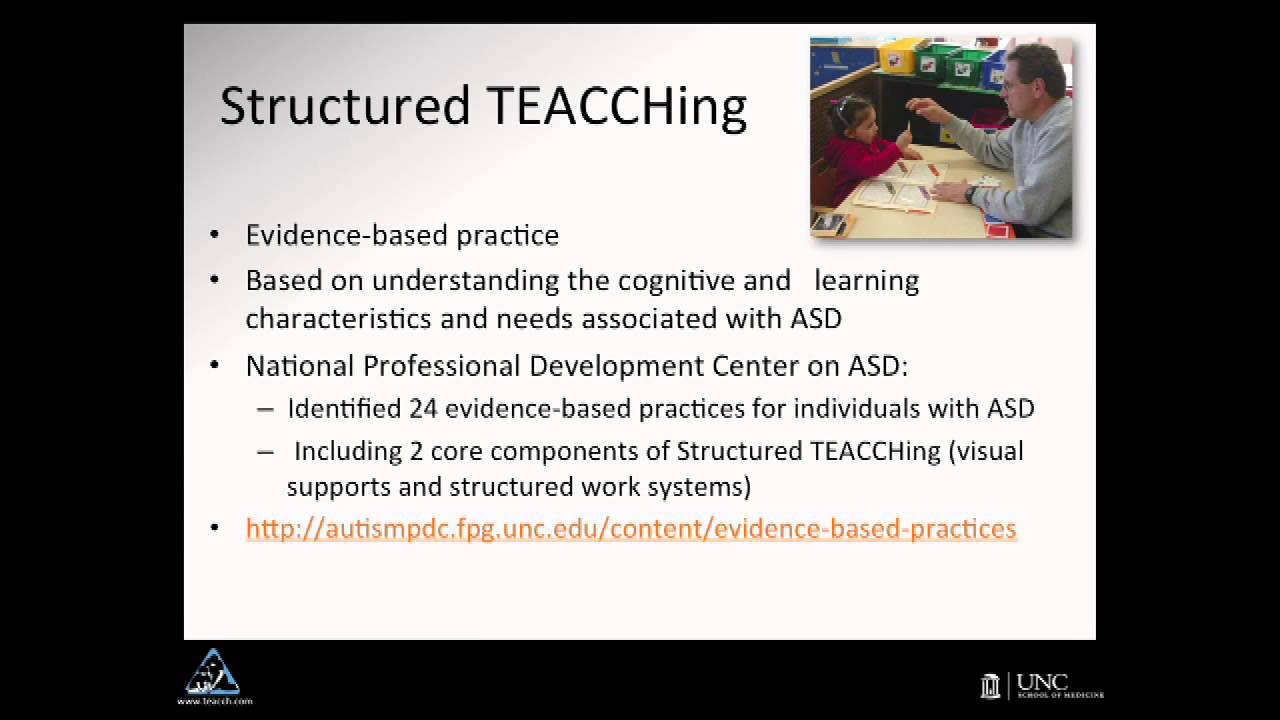
4. UNC TEACCH Autism Program: Clinical Guidance and Evaluations
This is a statewide program through UNC that supports individuals with autism. They provide:
- Diagnostic evaluations
- Treatment planning
- Parent guidance and training
They’re also behind tools like BFAST, which help families connect to services across North Carolina. If you need structured guidance or clinical input, TEACCH is one of the most established programs in the state.
5. Cumberland COLORS: Early Intervention for Younger Children
If your child is under five, this is especially important. Cumberland COLORS helps families:
- Identify developmental needs early
- Connect to early intervention services
- Access support during critical developmental years
This is often one of the first systems families interact with after diagnosis. Early support here can make a big difference in communication, behavior, and learning.
Where ABA Therapy Fits Into All of This in Fayetteville
Here’s what many parents in Fayetteville don’t realize at first: Most local resources help you understand, connect, or plan. But very few provide consistent, ongoing skill-building inside your child’s daily life. That gap becomes clear pretty quickly.
You might:
- Attend a support group at the Partnership for Children
- Talk to other parents at Autism Breakfast Club
- Get guidance from TEACCH or school teams
And all of that helps.
But then you go home… and the same challenges are still there. That’s where ABA therapy fits in.
What ABA Therapy Actually Does (Day to Day)
ABA isn’t just something that happens in sessions. It’s built around repetition, consistency, and real-life practice. Research shows ABA can improve:
- Communication and language skills
- Social interaction
- Daily living skills
- Behavior regulation
And those gains are strongest when therapy happens consistently over time, not just occasionally.
In Fayetteville, that often means in-home ABA, where skills are practiced:
- During morning routines
- During meals
- During transitions
- During real interactions with family
Not just in a structured clinic setting.
Why This Matters Specifically in Fayetteville
Fayetteville families are often juggling:
- School systems that may delay evaluations
- Limited spots in specialized programs
- Early intervention services that end at age five
- Military relocations (for Fort Liberty families)
So even when you have access to resources, they don’t always cover the full day or full picture. ABA becomes the one support that:
- Follows your child across environments
- Continues regardless of school placement
- Adapts to your home, not the other way around
What Families in Fayetteville Usually Do Next
After diagnosis, most families here don’t follow a perfect plan.
It usually looks more like this: They talk to other parents first, they visit local organizations and ask questions, they go through evaluations, often slower than expected, and at some point, they realize:
“We need something consistent while all of this is happening.”
That’s when therapy becomes the next step. Not because everything else is done. But because everything else takes time.
You Don’t Have to Wait for the System to Catch Up
This is one of the biggest mindset shifts parents make. You don’t need:
- A finalized school plan
- Every evaluation completed
- Every resource lined up
To start helping your child. In fact, early and consistent support often leads to better progress, especially in communication and daily skills.
Where Epic Minds Fits in Fayetteville
Epic Minds Therapy works with families across Fayetteville in a way that fits into everything else you’re already doing.
Not replacing:
- Schools
- Early intervention
- Local programs
But supporting your child in between all of them. Through in-home ABA, we focus on:
- Real routines
- Real challenges
- Real progress you can see day to day
Not every step has to feel big or final. Sometimes the next step is simply: “Let’s get my child support where they spend most of their time.”
If that’s where you are right now, you can start here. Or take a closer look at how Epic Minds works with families in North Carolina.
No single resource carries everything. But when the right supports start working together, things begin to feel a little more manageable. And that’s usually where progress begins.
Sources:
https://epicmindstherapy.com/blog/autism-diagnosis-rates-nc-since-2000/
https://ccpfc.org/business-directory/wpbdp_category/support-groups/
https://ccpfc.org/business-directory/wpbdp_category/special-needs/
https://www.ccs.k12.nc.us/page/resources
https://teacch.com/bfast/what-is-bfast/
https://epicmindstherapy.com/blog/3-principles-of-aba-therapy/
https://epicmindstherapy.com/services/in-home-aba-therapy/
https://epicmindstherapy.com/locations/north-carolina/aba-therapy-in-fayetteville/
https://epicmindstherapy.com/blog/what-is-the-best-age-to-start-aba-therapy/