


autism

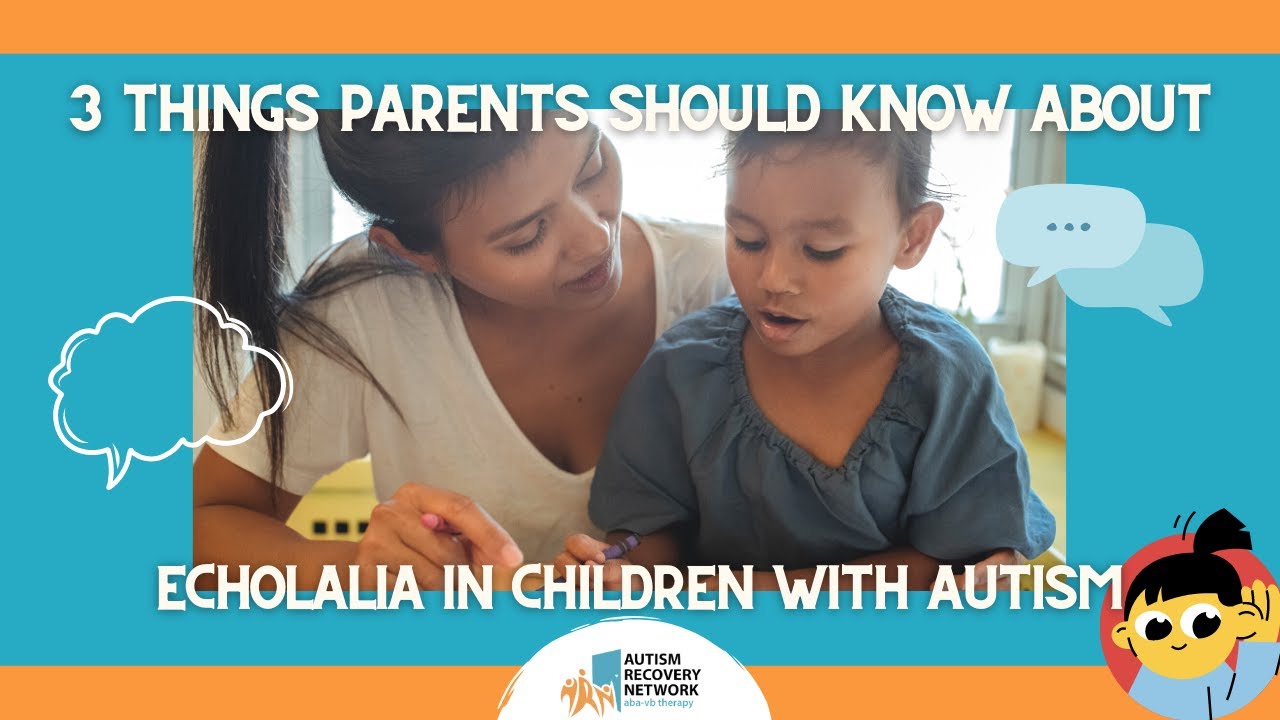
Your child quotes the same Bluey episode word-for-word. They echo your question back instead of answering it. They loop one phrase for hours. That’s echolalia, not random noise. And it’s a common topic Epic Minds found almost everyday. Echolalia is the repetition of words, phrases, or sounds previously heard from another person, a TV show, or a song. It’s common in autistic children, and contrary to old assumptions, it usually serves a purpose: communication, processing, or self-regulation.
Foundational research by speech-language scientist Barry Prizant found that up to 75% of verbal autistic children use echolalia as a bridge toward flexible, original speech.
What Is Echolalia? The Clinical Meaning
The clinical echolalia meaning is straightforward: the involuntary or intentional repetition of someone else’s language. The American Speech-Language-Hearing Association classifies it as a feature of language development that appears briefly in typical toddlers (usually fading by age 3) and lingers longer in autistic children. It’s not mimicry for mimicry’s sake. For many kids, it’s how they think out loud.
It comes in two forms:
- Immediate: Repeating something right after hearing it. Parent says, “Do you want juice?” Child says, “Want juice?”
- Delayed: Repeating phrases hours, days, or weeks later. A child quotes a YouTube ad while playing alone.
Both can be functional or non-functional, depending on context.

Functional Echolalia: When Repetition Communicates
Functional echolalia is repetition that carries real meaning. A clinical review by Stiegler (2015) in the American Journal of Speech-Language Pathology outlines how autistic children use scripted phrases to request, protest, label, or self-soothe. For example:
- “To infinity and beyond” when the child wants to be lifted up (request).
- “The doctor is in” before pretend play (turn-taking cue).
- A jingle muttered during a meltdown (self-regulation).
Once you decode the script, the message is clear.
Echolalia Autism Examples in Daily Life
What is echolalia in autism looks like? Common examples parents describe:
- Reciting full lines from Frozen during dinner.
- Answering “Are you hungry?” with “Are you hungry?” instead of “yes.”
- Repeating a teacher’s classroom phrase at home, hours later.
- Looping commercial slogans when anxious.
These aren’t signs of a child stuck. They’re often a child building language brick by brick.
Why Does My Child Repeat Everything?
Why does my child repeat everything? The reasons stack:
- Language processing: Whole phrases are easier to store than isolated words. Researchers call this gestalt language processing.
- Communication attempt: The right words aren’t available, so a memorized phrase fills the gap.
- Emotional regulation: Familiar scripts feel safe under stress.
- Connection: Echoing a parent’s phrase keeps the link alive.
The Centers for Disease Control and Prevention lists repetitive language as one of several communication patterns associated with autism—but on its own, it isn’t a diagnosis.
When a Professional Should Take a Look
If echolalia remains your child’s primary communication mode past age 3, or if they grow distressed when scripts don’t land, a speech-language pathologist or behavior analyst can map the function behind each repetition and shape flexible language from there.
At Epic Minds, our team listens past the script. We work with families across North Carolina (and coming soon to other locations), to decode what your child’s repetitions are really saying and turn those scripts into the words your child actually wants to use. Reach out today to start a conversation with a behavior therapist who gets it.
Frequently Asked Questions
What is echolalia in autism in simple terms?
Echolalia in autism is when a child repeats words, phrases, or sounds they’ve heard before—either right away (immediate) or much later (delayed). It often carries meaning the child can’t yet express in original words.
Is echolalia always a sign of autism?
No. The NIDCD notes all toddlers go through a normal echoing phase between roughly 12 and 36 months. It becomes clinically relevant when it persists past age 3 or interferes with back-and-forth conversation.
Should I stop my child from using echolalia?
No. Suppressing echolalia removes a working communication tool. The goal is to understand what each script means and gradually expand it into spontaneous speech, ideally with a trained therapist.
Can echolalia go away on its own?
Sometimes, especially in younger children. But for many autistic children, targeted speech and behavioral support accelerates the move from scripted to original language.
Sources: