


autism
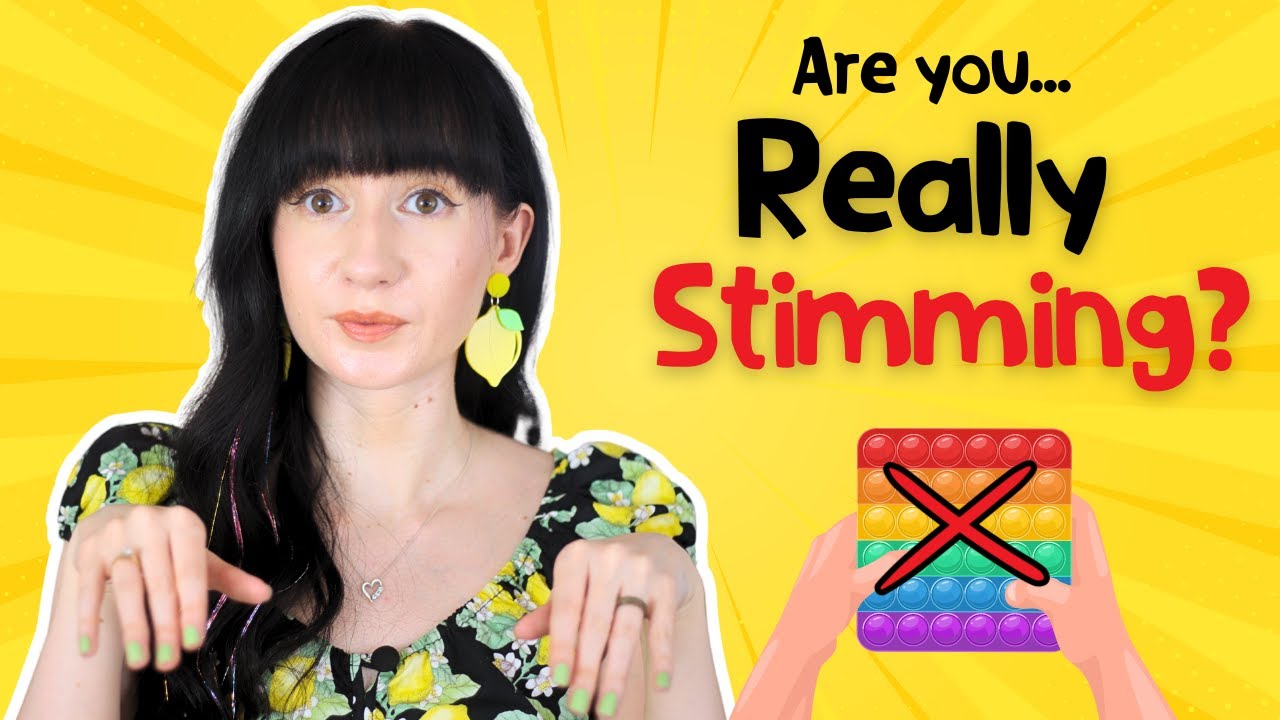
Your child rocks back and forth in front of the TV. Flaps their hands when something exciting happens. Hums the same three notes for an hour. You search the only words you can think of: “what is stimming?” Epic Minds Therapy got the answer for you!
Stimming, short for self-stimulatory behavior, is repetitive movement, sound, or sensation that a person uses to regulate their nervous system. Everyone does it: adults click pens, kids twirl hair. In autistic children, stimming just shows up more often, more openly, and with more reason behind it. Hand-flapping, rocking, humming, finger-flicking: most of it is harmless, and a lot of it is useful.
So What Is Stimming, Really?
The word comes from “self-stimulatory behavior,” a clinical term that lives in the DSM-5 under repetitive and restricted behaviors, a core feature of autism, per the American Psychiatric Association. CDC research flags repetitive movements as one of the earliest signs of autism in young children.
Strip the jargon and it’s simple. Stimming is your body doing something on purpose to help your brain settle, focus, or feel. You’ve done it today. The leg bounce in a long meeting or pen-clicking while you read, the pattern is the point.
Common Forms of Stimming in Autism
Stimming in autism touches every sense. The patterns parents notice most often:
- Motor: hand-flapping, rocking, spinning, jumping, finger-flicking
- Vocal: humming, repeating words or phrases (echolalia), clicks and throat sounds
- Visual: staring at lights, lining up toys, watching ceiling fans turn
- Tactile: rubbing certain fabrics, skin-picking, seeking deep pressure
- Auditory: replaying the same song, tapping a wall, rhythmic noises
A behavior is a stim when it repeats, soothes, and serves a purpose, not when it just happens once on a Tuesday.
Why Do Autistic Children Stim?
Why do autistic children stim? Usually because their nervous system is working overtime to filter input, and stimming helps it cope. A widely cited 2019 study by Dr. Steven Kapp at the University of Portsmouth interviewed autistic adults directly. They described stimming, near-unanimously, as self-regulation. A way to manage overwhelm, hold focus, and release emotion.
Boiled down, kids stim to:
- Take the edge off when they’re overstimulated
- Wake the body up when they’re understimulated
- Process big emotions, the happy ones included
- Hold attention or block out background noise
- Communicate when language is hard to reach for
Is Stimming Good or Bad?
Is stimming good or bad? Neither, really. The better question is what the stim is doing for this child. The National Institute of Mental Health treats repetitive behaviors as a feature of autism, not a defect to scrub out. For most kids, stimming is regulation in action.
Intervention is only worth considering when the stim:
- Causes physical injury (head-banging, biting, severe skin-picking)
- Blocks learning, eating, or sleep
- Genuinely distresses the child socially
Even then, the answer isn’t to shut it down. It’s to swap it for something safer that scratches the same itch.
A Real Scenario
A 6-year-old client at our clinic flapped his hands non-stop during reading. His parents assumed the work was too hard. A functional assessment told a different story — he flapped when he was engaged. We left the flapping alone. We changed his chair, added a textured fidget at school, and shifted his breaks. Focus improved within weeks.
That’s the work. Find the function first. Change the room, not the child.
The stim is the surface. The real story is underneath, what your child’s nervous system is asking for. At Epic Minds Therapy, our behaviour analysts run functional behaviour assessments that map the why behind every repetitive movement, then build a plan that fits your child instead of fighting them. Schedule an assessment and leave with a clearer picture, not a longer label.
Frequently Asked Questions
What is stimming in a child?
Stimming in a child is repetitive self-soothing behavior — like rocking, hand-flapping, or humming — used to regulate emotions, focus, or sensory input. It is most often associated with autism but appears in non-autistic children too.
Should I stop my child from stimming?
No, unless the stim is harmful. Most stimming is healthy regulation. Suppressing safe stims can increase anxiety and lead to “masking,” which research links to higher burnout and poorer mental health outcomes in autistic individuals.
Do all autistic people stim?
Most do, but not always visibly. Some autistic adults learn to mask stims in public and release them at home. Internal stims — like clenching teeth or repeating words mentally — are also common and easy to miss.
At what age does stimming start in autism?
Stimming behaviors often appear before age 3, sometimes as early as infancy. Repetitive behaviors are one of the earliest observable signs of autism, alongside social and communication differences.
Sources: