

Blog

Short answer: Not to receive it, but almost always to have it paid for. A behavior analyst can assess and work with a child who has no diagnosis. Insurance is a different matter. Nearly every commercial plan and every state Medicaid program requires documented autism spectrum disorder before it will authorize ABA. If your child does not have a diagnosis yet, you have real options, but private insurance is usually not one of them.
Families come to us for in home ABA therapy at every stage of this process, some with a report in hand and some still waiting for an appointment. If your question is really whether ABA is only for autism, that is a separate matter. This page is about documentation, coverage, and what to do while you wait.
Why you get two different answers
Parents hear conflicting answers because there are two different questions hiding in one.
Clinically, a diagnosis is not a prerequisite. A board certified behavior analyst assesses what a child can do now, what they are working toward, and what is getting in the way. None of that depends on a diagnosis code.
Financially, the diagnosis is the whole thing. Insurance coverage for ABA in the United States exists because of autism specific legislation. All fifty states and the District of Columbia have passed autism insurance laws requiring covered plans to pay for autism treatment. Those laws do not require plans to pay for ABA delivered for any other reason, which is why our ABA insurance coverage pages all start from the diagnosis.
So a provider can honestly say a diagnosis is not required, and an insurer can honestly deny the claim. Both are describing the same situation accurately.
What insurers actually require
“Having a diagnosis” means something more specific in insurance terms than a doctor using the word autism in an appointment. Most plans want all of the following.
- A diagnostic evaluation report from a qualified provider. Typically a licensed psychologist, developmental pediatrician, child psychiatrist, or neurologist, working from DSM-5-TR criteria.
- A diagnosis code. Autism spectrum disorder is F84.0 under ICD-10.
- A physician referral or prescription stating that ABA is medically necessary.
- A BCBA assessment. A behavior analyst evaluates your child and writes a treatment plan with measurable goals, billed separately from treatment under assessment codes such as 97151.
- Prior authorization. The plan reviews the treatment plan, approves a set number of hours for a set period, then requires reauthorization on a schedule.
Steps 4 and 5 are ours to handle. Steps 1 through 3 happen before you reach us.
One thing worth knowing before you start calling: a BCBA cannot diagnose autism. Behavior analysts assess behavior and design treatment plans, but diagnosis sits outside that scope of practice and belongs to licensed psychologists and physicians. Some ABA providers, including us, run a separate autism assessment and diagnosis service staffed by those clinicians. It is a different service, delivered by different people, billed differently. If a provider tells you their behavior analyst will diagnose your child, ask who signs the report and what license they hold.
The same logic explains why ABA for ADHD is usually denied. The mandates that created coverage are written around autism, so a child with an ADHD diagnosis and no autism diagnosis will typically be turned down even though behavior analytic strategies genuinely help with attention and self regulation. Children who carry both diagnoses are covered through the autism diagnosis, and the treatment plan addresses the whole child regardless.
Why the same insurer covers one family and not another
This is the piece almost nobody explains, and it accounts for most of the conflicting advice parents hear from each other.
Employer health plans come in two types. Fully insured plans are purchased from an insurance company and regulated by your state, so your state’s autism mandate applies directly. Self-funded plans are ones where the employer pays claims from its own money and hires an insurer only to administer them. Because these are governed by the federal ERISA statute, state insurance laws are generally preempted and many self-insured plans fall outside the autism mandate entirely. Large employers are far more likely to be self-funded than small ones.
Two parents in the same state, both holding cards with the same insurer’s logo, can get completely different answers for this reason alone. Plenty of self-funded employers cover ABA voluntarily, and federal parity rules still apply to plans that cover behavioral health at all. But you cannot tell what leverage you have until you know which type of plan you are in. Ask HR for the Summary Plan Description, or call member services and ask directly.
Medicaid works differently, and often better. If your child is enrolled and under 21, the federal Early and Periodic Screening, Diagnostic, and Treatment benefit requires states to cover services that are medically necessary to treat conditions identified in a child, whether or not those services appear in the state’s standard benefit package.
One detail most articles get wrong: federal regulators never mandated ABA specifically. What they clarified is that states cannot refuse medically necessary autism treatment to children under 21. Each state then decides how to structure and authorize it, which is why the process varies so much between them. Every state now has a Medicaid autism benefit in place.
A diagnosis is still the entry point. But the medical necessity standard is broader than most commercial plans and hour limits are often more generous. We accept Medicaid for ABA therapy in every state we serve, with different authorization steps in each, including ABA therapy in North Carolina.
Three routes that do not require a diagnosis
If you are waiting on an evaluation, these three paths are open to you right now.
Early intervention, if your child is under three. IDEA Part C funds services for infants and toddlers from birth to age three, and Part C eligibility rests on documented developmental delay or a condition likely to result in delay. An autism diagnosis is not required and often is not relevant. You can refer your own child directly, and the CDC is explicit that you do not need to wait for a referral to get a free evaluation. Services are free or on a sliding scale depending on the state. The hours are lower than comprehensive ABA, but the documentation it produces is frequently useful later.
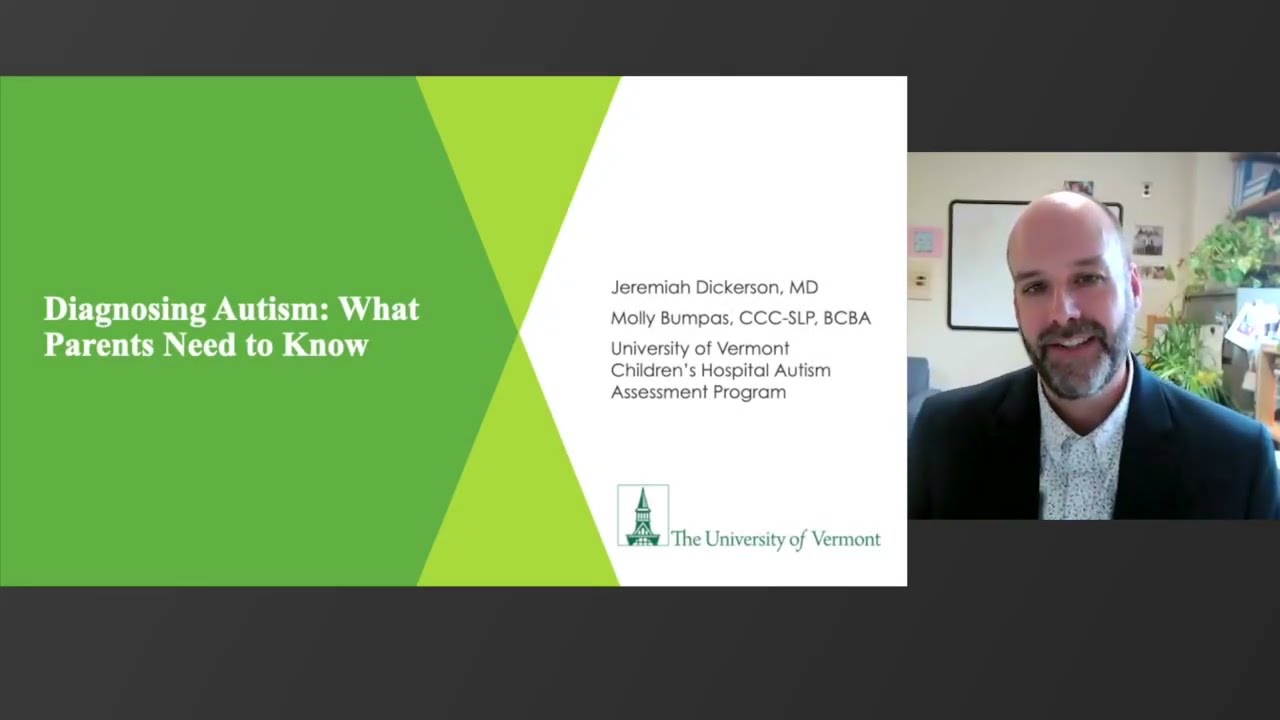
School services, at any age from three. This gets explained backwards constantly, so it is worth being precise in both directions. A medical diagnosis does not automatically produce an IEP, because educational eligibility is a separate determination requiring both a qualifying disability and a demonstrated need for specialized instruction. And the absence of a diagnosis does not disqualify a child, because districts cannot require a private medical diagnosis before finding a student eligible under the autism category. Some districts tell families otherwise. They are wrong. Put your request in writing and date it, since that starts a legal timeline, and ask about a 504 plan as well. Our school based ABA therapy team works alongside these plans rather than replacing them.
Caregiver support, starting immediately. Parent training and consultation are sometimes accessible earlier than a full treatment authorization, and they give you strategies to use at home while the paperwork moves.
While you wait, join several diagnostic waitlists rather than one and ask each about cancellation lists. Ask your pediatrician for a referral, since some plans will not schedule an evaluation without one. Keep short dated notes and phone videos of what concerns you, because evaluators lean heavily on parent report and concrete examples make the process faster and more accurate.
Once the report is in hand, the sequence is benefits verification, referral if required, BCBA assessment, treatment plan submission, and authorization. Sessions begin after authorization returns. The two things that most often slow it down are a missing referral and staffing availability in your area, so ask about both on your first call.
What to do if you are denied
A denial is not the end of it, and private pay is not the only alternative.
Read the letter and find the stated reason first, because “not medically necessary” and “diagnosis not covered” call for completely different responses. Then file an internal appeal within the deadline, with letters from your BCBA and your child’s physician addressing the specific reason cited. If that fails, you can request an external review from an independent reviewer outside the plan, and your insurer is legally bound by the outcome.
Two other angles are worth raising. If your plan applies stricter limits or authorization requirements to ABA than to comparable medical services, that may violate federal mental health parity law. And if the obstacle is that we are out of network rather than that the service is excluded, ask about a single case agreement.
We handle appeals paperwork for the families we work with. If you are stuck on a denial and not yet a client, we are still glad to tell you what we would do in your position.
If your child has a diagnosis, we can verify your benefits and begin authorization. If not, we can walk you through which of the routes above fits your situation, and our diagnostic team can explain what an evaluation involves. We provide in home and school based ABA therapy in Raleigh, Charlotte, Durham, Greensboro, Winston Salem, Salt Lake City, Albuquerque, Anchorage, and communities across North Carolina, Maryland, Colorado, Utah, New Mexico, and Alaska.
Contact Epic Minds Therapy to talk through where your family stands and what comes next.
Frequently Asked Questions
Can you get ABA therapy without an autism diagnosis?
Clinically, yes. A behavior analyst can assess a child and deliver services without a diagnosis. Financially, it is difficult. Nearly all insurance plans and every state Medicaid program require documented autism spectrum disorder before authorizing ABA, so families without a diagnosis usually pay privately or use another route such as early intervention or school based services.
Will insurance cover ABA without an autism diagnosis?
In most cases, no. State autism insurance mandates require covered plans to pay for autism treatment specifically, not ABA delivered for other reasons. A small number of employer plans include broader behavioral health benefits, so it is worth calling to confirm rather than assuming, but you should not build a plan around it.
Can a BCBA diagnose autism?
No. Board certified behavior analysts assess behavior and design treatment plans, but diagnosis falls outside their scope of practice. An autism diagnosis must come from a licensed clinician such as a psychologist, developmental pediatrician, child psychiatrist, or neurologist. Some ABA organizations run a separate diagnostic service staffed by those clinicians.
Does insurance cover ABA therapy for ADHD?
Usually not on its own. ABA coverage in the United States is built on autism specific legislation, so a child with an ADHD diagnosis and no autism diagnosis is typically denied. Children who carry both diagnoses are generally covered through the autism diagnosis, with the treatment plan addressing the whole child.
Can my child get ABA through school without a diagnosis?
Possibly. School eligibility is a separate determination from a medical diagnosis, and districts cannot require a private medical diagnosis before finding a student eligible under the autism category. The district conducts its own evaluation and decides whether your child needs specialized instruction. Put your request for an evaluation in writing to begin the process.
How soon can ABA therapy start after an autism diagnosis?
After the diagnostic report is in hand, the steps are benefits verification, a physician referral if your plan requires one, a BCBA assessment, submission of the treatment plan, and prior authorization. Sessions begin once authorization is approved. Timelines vary by plan and state, and the most common delays are a missing referral and staffing availability in your area.
Sources:
- https://www.mid.ms.gov/mississippi-insurance-department/healthcare/autism/
- https://www.medicaid.gov/faq/2020-04-14/93211
- https://www.autismspeaks.org/medicaid-epsdt
- https://www.research.chop.edu/car-autism-roadmap/medical-diagnosis-vs-educational-eligibility-for-special-services-important-distinctions-for-those
- https://spedtex.tea.texas.gov/resources/disabilities
- https://www.cdc.gov/autism/treatment/accessing-services.html
- https://ectacenter.org/topics/earlyid/partcelig.asp
- https://www.healthcare.gov/appeal-insurance-company-decision/internal-appeals/
- https://www.healthcare.gov/appeal-insurance-company-decision/external-review/
- https://www.medicaid.gov/federal-policy-guidance/downloads/CIB-07-07-14.pdf