

autism

One of the biggest misconceptions parents have after a diagnosis is this:
“Do I choose school, therapy, or early intervention?”
But in Fayetteville, these supports are not meant to replace each other. They’re meant to work together. The challenge is no one explains how. So let’s map it out in a way that actually makes sense for your child.
Step 1: Early Years Start with COLORS
If your child is under five, this is usually the first system you’ll hear about. Cumberland COLORS helps families:
- Identify developmental concerns early
- Connect with early intervention services
- Coordinate support across providers
It’s not therapy itself. It’s a connector system. In simple terms: COLORS helps you figure out what your child needs and where to go next.
Step 2: Structured Support Comes from Programs Like TEACCH
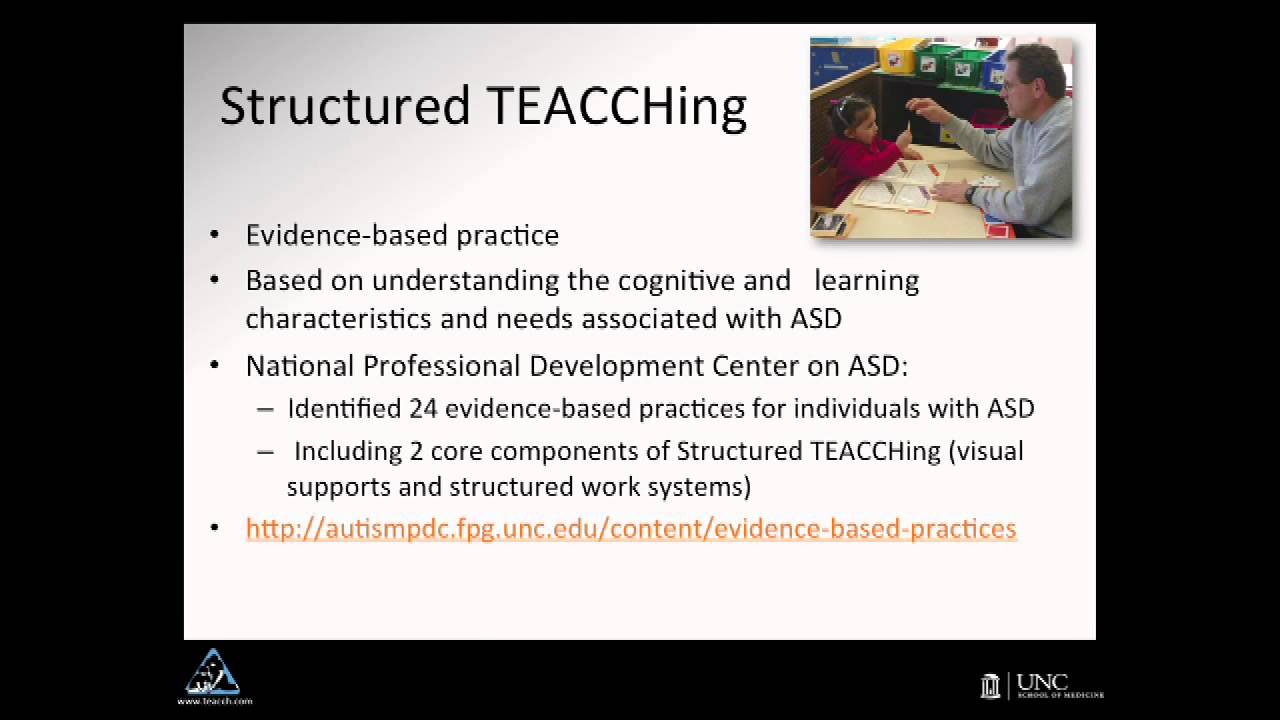
As your child grows, you may be referred to structured programs like the UNC TEACCH Autism Program.
TEACCH focuses on:
- Assessments
- Individualized planning
- Building independence over time
It’s one of the longest-running autism programs in the country, built around adapting environments and teaching skills based on each child’s needs. Think of TEACCH as a system that helps design how your child learns best.
Step 3: When Traditional Schools Aren’t the Right Fit
This is where many Fayetteville families discover The School of Hope.
The School of Hope is a private school created specifically for children with autism. It serves students with varying needs and focuses on small class sizes and individualized learning.
What makes it different:
- Classrooms are small and structured
- Support is based on ability, not just grade level
- Students receive more individualized attention
- ABA-based strategies can be integrated into learning
Many families turn to it after public school wasn’t enough, or didn’t fit their child’s needs.

So Where Does ABA Therapy Fit Into All This?
Here’s the part most families don’t hear clearly:
ABA is not a replacement for school or programs like COLORS or TEACCH.
It’s the consistent, daily layer that ties everything together.
Let’s break that down.
Think of It Like This
Each support plays a different role:
- COLORS → identifies needs early and connects services
- TEACCH → helps structure learning and long-term development
- School of Hope (or other schools) → provides an educational environment
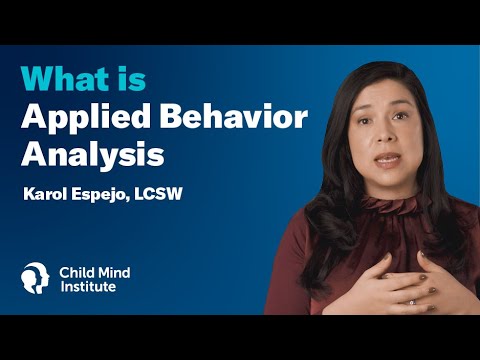
- ABA therapy → builds everyday skills consistently, across all settings
ABA works on:
- Communication
- Behavior
- Daily routines
- Social interaction
And most importantly, it happens outside appointments, in real-life situations.
Why Families in Fayetteville Use All Three
In real life, many families combine support like this:
- A child attends a school program (public or private)
- Parents use TEACCH or similar services for guidance
- Early intervention is coordinated through COLORS
- ABA therapy continues at home to reinforce skills
Because here’s the reality; a child doesn’t only need support at school. They need support when they wake up, during routines, and at home. That’s where ABA fills the gap.
Schools teach. Programs guide. Systems coordinate. But none of them are there when:
- Your child struggles with transitions at home
- Daily routines become overwhelming
- Communication breaks down outside the classroom
That’s where consistent, in-home support matters.
Where Epic Minds Fits Into Fayetteville’s System
Epic Minds Therapy isn’t here to replace what already exists in Fayetteville.
It fits into the system by:
- Supporting what your child is already learning
- Reinforcing skills across home and daily life
- Working alongside schools and programs
In other words, it connects the dots.
A Better Way to Think About Your Child’s Support System
You’re not choosing between options. You’re building a support network. Each piece has a role. And when they work together, progress becomes more consistent.
At some point, most parents realize:
“I understand the system now… but I still need someone who works with my child every day.”
That’s the moment things start to shift. Not because you found another program. But because you found something that fits into your daily life.
If you’re ready to see how in-home ABA can connect everything your child is already receiving, start here.You don’t need to pick the “right” system. You just need to build one that works together.
FAQs: The School of Hope, COLORS, and ABA in Fayetteville
What is the School of Hope in Fayetteville?
The School of Hope is a specialized educational setting designed for children with developmental needs, including autism, offering structured and supportive learning environments.
What does the COLORS program provide?
COLORS is a program within the public school system that supports students with autism through individualized education plans, classroom support, and specialized instruction.
How does ABA therapy fit into this system?
ABA therapy focuses on behavior, communication, and daily living skills. It can be provided at home, in clinics, or sometimes coordinated with school goals.
Can a child be in COLORS and still receive ABA therapy?
Yes. Many children receive ABA therapy outside of school hours while attending programs like COLORS during the day.
What is the difference between the School of Hope and COLORS?
The School of Hope is a separate specialized school, while COLORS is a program within public schools. Both support autism but in different settings.