



A meltdown isn’t bad behavior. It’s a nervous system in overload. What causes autism meltdowns comes down to one core issue: an overwhelming pile-up of sensory, emotional, or cognitive input that the brain can no longer process.
Triggers can range from a fluorescent light buzzing in a classroom to an unexpected schedule change. Unlike tantrums, meltdowns aren’t strategic, they’re involuntary. ABA therapy helps by identifying those specific triggers, teaching replacement skills, and building emotional regulation over time.
What Causes Autism Meltdowns? The Five Core Triggers
Research from the University of Sydney’s Brain and Mind Centre shows that children on the spectrum often have atypical sensory processing that lowers the threshold for becoming overwhelmed. The most common autism meltdown triggers fall into five categories:
- Sensory overload. Loud noises, fluorescent lights, scratchy fabrics, strong smells, crowded rooms.
- Emotional flooding. Anxiety, frustration, embarrassment, or fear stacking up faster than the brain can sort them.
- Communication breakdown. Not being able to express a need, being misunderstood, or facing too many verbal demands at once.
- Routine disruption. A canceled activity, a new substitute teacher, an unfamiliar route home.
- Physical state. Hunger, exhaustion, illness, or pain. Each one drops the tolerance threshold even further.
Neurophysiological research suggests autistic brains stay in sympathetic hyperarousal longer, meaning small stressors compound faster than they would for neurotypical peers.
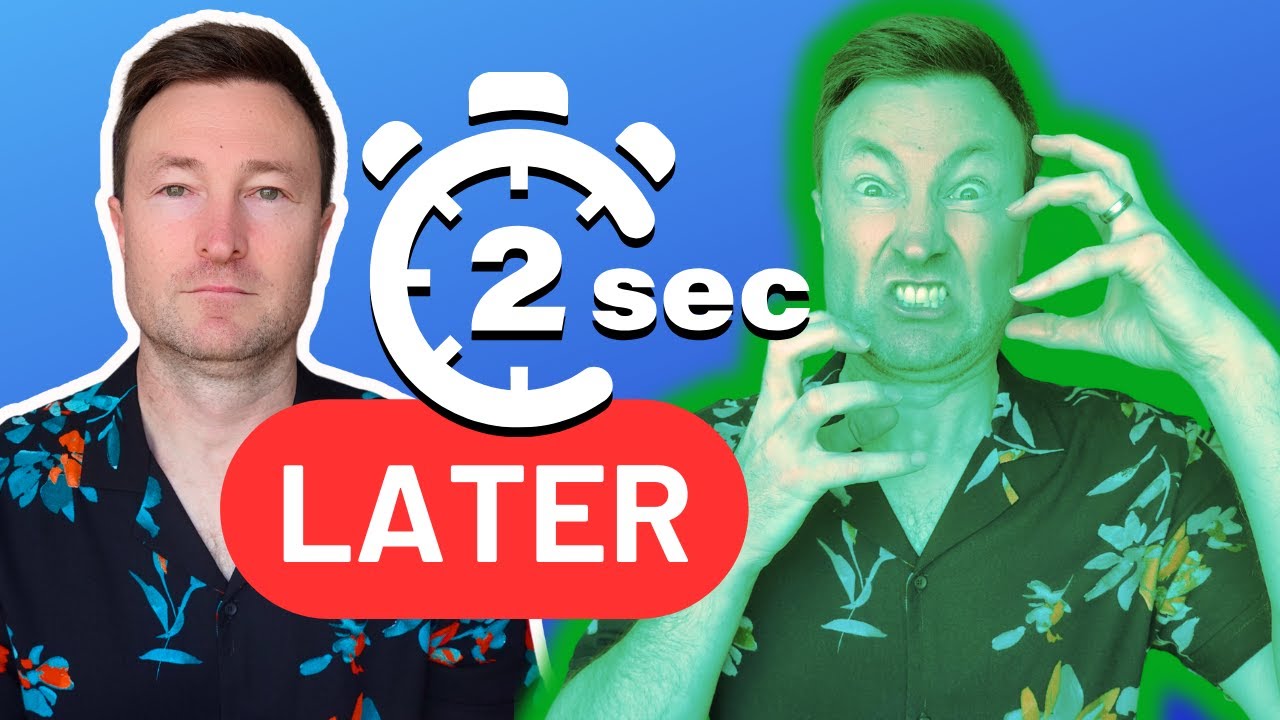
Autism Meltdown vs Tantrum: The Real Difference
The autism meltdown vs tantrum distinction matters because the two need completely different responses.
| Tantrum | Autism Meltdown |
| Goal-driven (child wants something) | Overload-driven (brain can’t process more) |
| Stops once the goal is met | Stops only when overload clears |
| Needs an audience | Happens with or without one |
| Child stays in control | Child loses control |
| Responds to rewards or consequences | Does not respond to rewards |
A tantrum ends when you redirect or distract. A meltdown ends only when the nervous system resets. Treating a meltdown like a discipline issue almost always makes it worse.
How to Help a Child During a Meltdown
Knowing how to help child during meltdown moments comes down to four moves:
- Lower the input. Dim the lights, lower voices, move to a quieter space.
- Stop talking. During overload, more language equals more input.
- Stay close, stay calm. A regulated adult nervous system anchors a dysregulated child’s.
- Allow recovery time. Meltdowns drain everything. Quiet decompression isn’t optional.
Real scenario: Six-year-old Jay starts hand-flapping and pacing at a cousin’s birthday party. The DJ is loud, the lights are flashing, and two kids are tugging at his sleeve. His mom recognizes the warning signs, walks him to the parked car, hands him noise-canceling headphones, and sits silently next to him. Within 12 minutes his breathing slows. Twenty minutes later, he’s ready to rejoin. No timeout. No lecture. Just regulation.
ABA Strategies for Meltdowns That Actually Work
ABA strategies for meltdowns don’t try to suppress the behavior, they reduce how often the overload happens in the first place. Board-certified behavior analysts (BCBAs) typically use:
- Functional Behavior Assessment (FBA). A structured look at what happens before and after a meltdown to pinpoint its function.
- Antecedent interventions. Adjusting the environment to remove or soften triggers: visual schedules, sensory breaks, transition warnings.
- Functional communication training. Teaching the child to request a break, signal “too loud,” or use AAC instead of melting down.
- Emotional regulation skills. Tools like Zones of Regulation help children label and manage feelings before they peak.
- Parent and caregiver coaching. Families learn the same strategies so they stick at home, at school, and in public.
A peer-reviewed analysis of autistic youth describes meltdowns as cumulative, meaning prevention is far more effective than reaction. ABA targets that buildup before it tips.
Meltdowns shrink when triggers get mapped. At Epic Minds, our BCBAs build plans around your child’s actual triggers, not a generic checklist. Get in touch and let’s start identifying what’s setting things off, before the next one hits.
Frequently Asked Questions
What causes autism meltdowns in toddlers?
In toddlers, autism meltdowns are usually caused by sensory overload (sounds, textures, lights), unmet sensory needs, sudden routine changes, or the inability to communicate hunger, pain, or discomfort. Their language and self-regulation systems are still developing, so overwhelm tips into meltdown faster.
How long does an autism meltdown usually last?
Most autism meltdowns last between 15 minutes and an hour, though recovery (regaining baseline) can take much longer — sometimes the rest of the day. The duration depends on the trigger intensity, the child’s regulation skills, and how quickly the environment is adjusted.
What is the difference between an autism meltdown vs tantrum?
A tantrum is a goal-driven behavior — the child wants something and uses crying or screaming to get it. A meltdown is an involuntary response to sensory or emotional overload. Tantrums stop when the child gets what they want; meltdowns stop only when the nervous system finishes processing the overload.
Can ABA therapy stop autism meltdowns completely?
ABA rarely eliminates meltdowns entirely, but it significantly reduces their frequency, intensity, and duration. By identifying triggers, teaching communication and coping skills, and adjusting environments, ABA helps children stay below the overload threshold most of the time.
Sources: